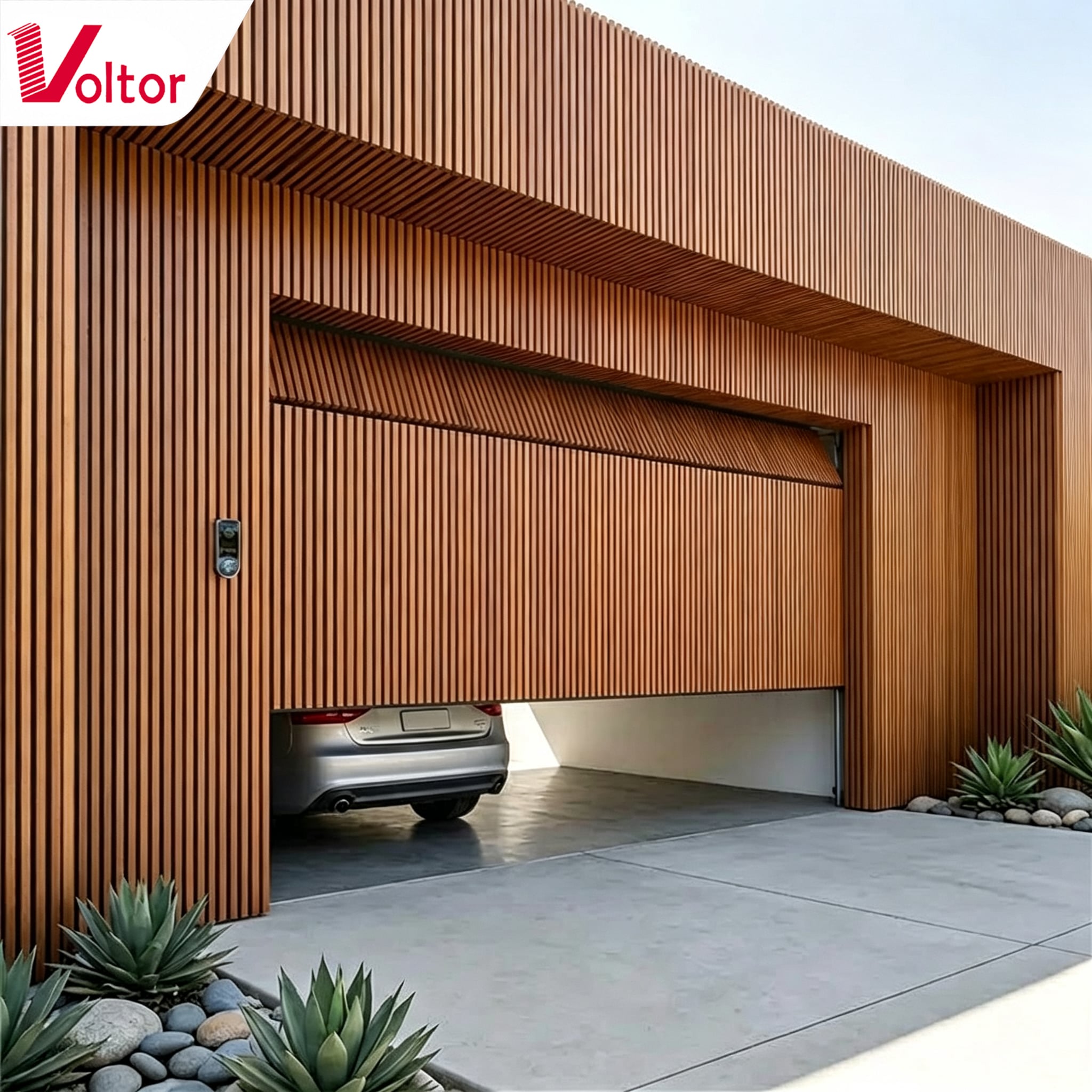

A sectional garage door opens vertically along a set of overhead tracks, with individual horizontal panels that hinge together and fold flat against the ceiling when the door is fully open. This mechanism preserves floor space and vehicle clearance at the opening — a meaningful operational advantage in commercial and industrial settings where space efficiency matters. Unlike side-hinged or swing-out designs, sectional overhead doors do not require clearance in front of the opening, which is a practical consideration for facilities with tight forecourt layouts or vehicle proximity at the threshold.
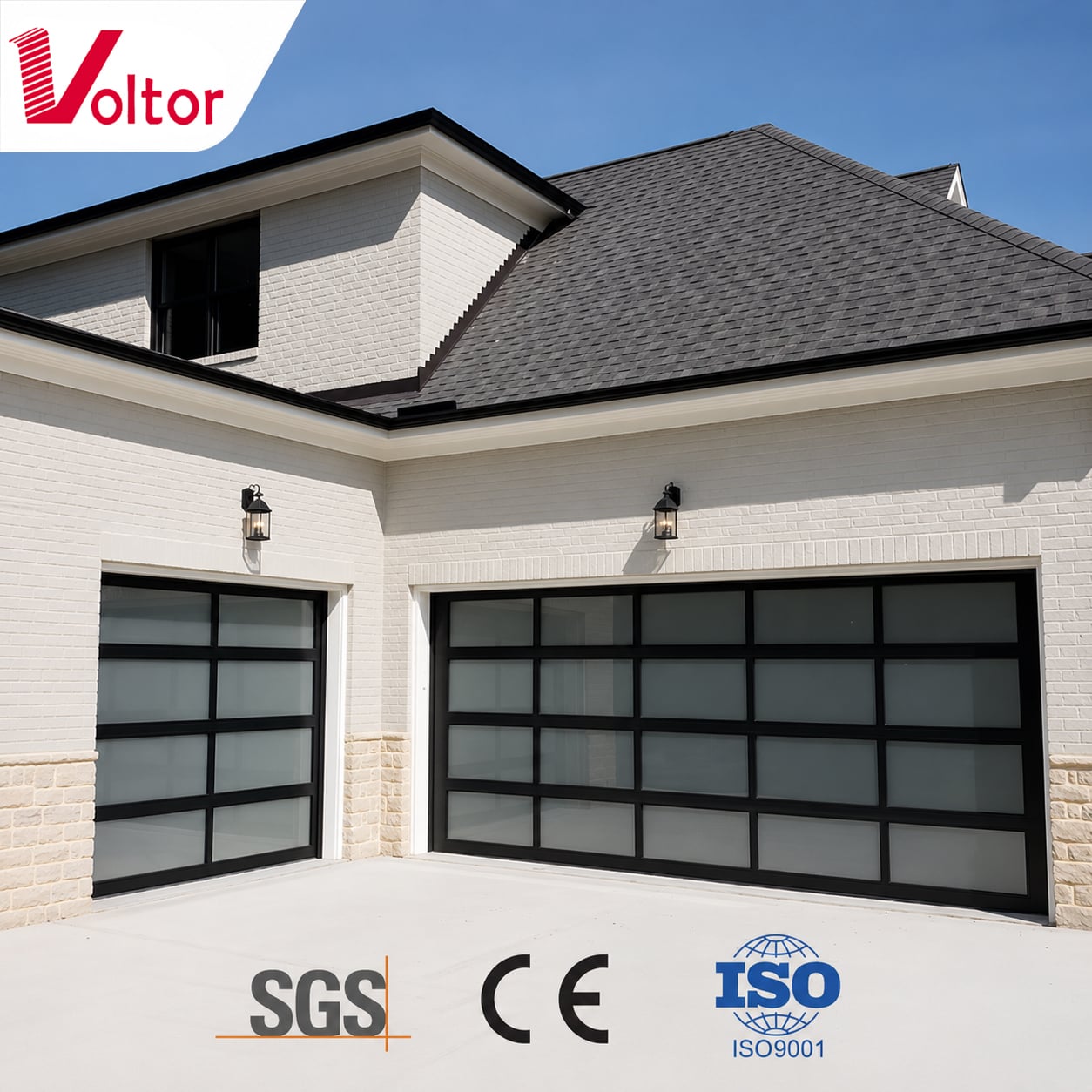
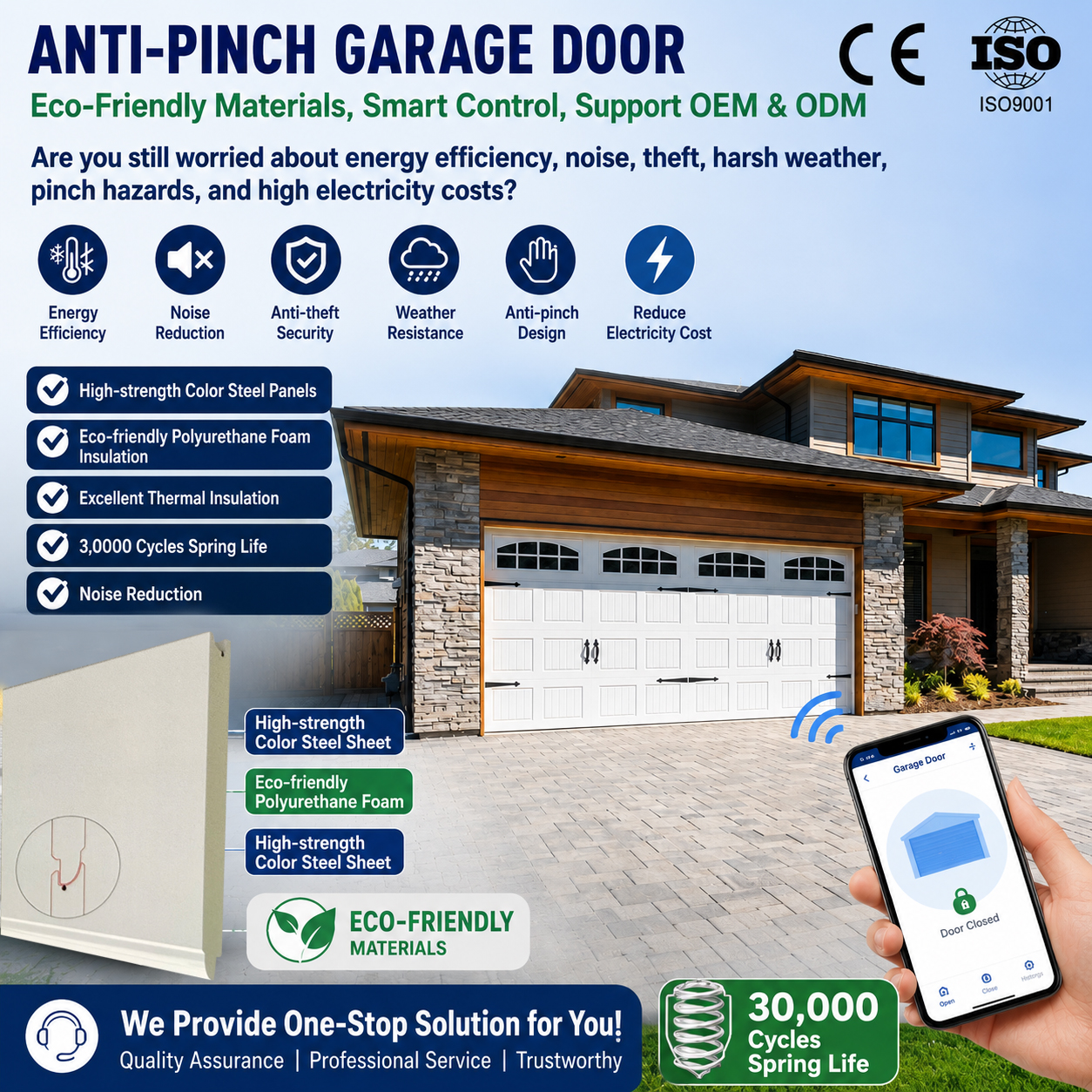
This category covers three primary configurations: aluminum grille sectional doors built for ventilation and modern aesthetics, aluminum glass sectional doors engineered for architectural and display environments, and anti-pinch insulated steel sectional doors designed for safety-critical or thermally demanding applications. The appropriate selection depends on the application environment, the frequency of operation, and the performance specifications required by the end-use setting.
The specification sheet for a sectional garage door can appear straightforward at first review. Most experienced buyers who have managed commercial door procurement across multiple projects will tell you that the performance factors which actually determine long-term outcomes — panel seal integrity at the base of the door, spring load behavior under real cycle patterns, and insulation continuity across panel joints — are rarely prominently stated in catalog descriptions.
Sectional garage doors are deployed across a wide range of commercial, residential, and industrial environments. The application context determines which specification parameters matter most — and buyers who have managed facility development projects across different use cases will recognize that the same door category can perform very differently depending on where and how it is installed.
For loading docks, logistics distribution centers, and high-cycle warehouse environments, the relevant performance threshold for the panel system and spring mechanism is substantially different from a low-frequency residential installation. Specifying a door system at the lower end of the acceptable cycle count range often appears to be sound cost management — until the facility operates two or three shifts per day rather than the single-shift baseline the specification was built around. Revisiting the load specification after installation is significantly more expensive than addressing it before the order.
In agricultural buildings, cold storage facilities, and food processing environments, the priority shifts toward insulation performance, seal continuity, and moisture resistance. Polyurethane foam insulation provides higher thermal resistance than polystyrene alternatives, and for facilities where temperature control directly affects operating cost or product quality, confirming the insulation grade against local climate conditions is a necessary specification step rather than an optional one.
For automotive showrooms, luxury residential projects, and commercial facade applications, the aluminum glass configuration addresses both functional and presentational requirements. In these settings, the specification focus moves toward frame finish durability, motorization precision, and long-term glass clarity retention rather than thermal or structural load performance.
Sectional garage door procurement is specification-driven. Buyers typically need to confirm dimensional fit, insulation grade, material selection, hardware specification, and lift configuration before finalizing an order — not during installation.
Standard width and height configurations are available for faster delivery and often at lower unit cost. That trade-off is real: custom panel profiles, non-standard color finishes, or specific insulation thickness combinations require longer production lead times. The right approach depends on whether the project timeline can accommodate that additional lead time, and whether a standard configuration genuinely meets the structural opening and performance requirements of the specific application.
Key selection parameters to evaluate:
The sectional garage door category covers a broader specification range than the name might suggest to a first-time buyer. From lightweight residential aluminum installations to heavy-duty insulated steel configurations for industrial environments with multiple daily cycles, the performance gap between a well-specified and a poorly-specified door system is meaningful in terms of operational reliability and long-term maintenance cost.
Having access to a product range that spans aluminum grille, glass, and insulated steel configurations within a single supplier relationship simplifies procurement for buyers managing multiple facility types or phased development projects. It also means that technical pre-purchase questions — about dimensional tolerances, motor compatibility, insulation grade selection, or certification documentation requirements for specific destination markets — can be resolved within one supplier relationship rather than across multiple sourcing contacts.
For commercial warehouse operators, facility developers, and architectural specifiers evaluating sectional garage door options, the three configurations covered in this category — aluminum grille for ventilation and aesthetics, glass panel for architectural applications, and anti-pinch insulated steel for performance and safety — address the principal specification requirements across most common use cases. The most effective starting point is matching the configuration to the application environment and confirming the critical performance parameters before the order is placed.
Copyright © 2026 By Qingdao Voltor Door Industry Technology Manufacturing Co., Ltd. - Privacy policy
 EN
EN