What Is a Storage Unit?
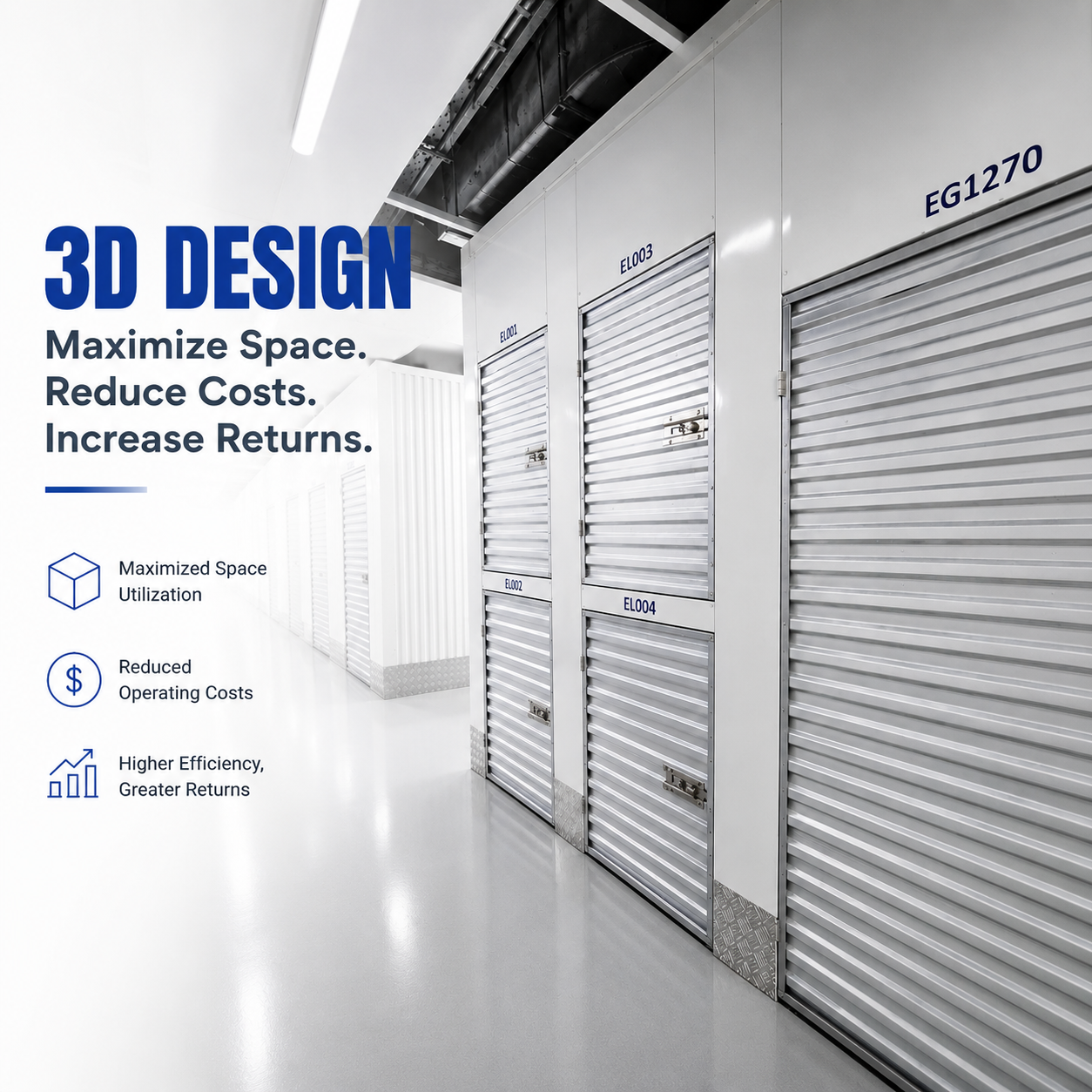
A storage unit is a modular enclosure system designed for commercial self-storage facilities, mini-storage developments, and industrial warehousing applications. Built from pre-engineered galvanized steel components, each module allows facility developers and operators to partition interior or exterior space into individually accessible, lockable bays. Whether you are specifying an indoor storage unit for a climate-managed building or an outdoor storage unit for an exposed compound, the product range spans single-story and multi-story configurations with roll-up or swing door access options.
When sourcing a storage unit system from overseas manufacturers, the evaluation goes beyond the product specification itself. Logistics compatibility, documentation completeness, and post-delivery support availability are often the real differentiators between a supplier that delivers project-grade consistency and one that introduces complications on site.
Key Characteristics of a Commercial Storage Unit System
The systems in this category are engineered for durability, security, and flexible deployment in commercial self-storage projects. Core characteristics of the storage unit product range include:
-
Galvanized steel construction: Frames, panels, and partition walls are manufactured from high-strength galvanized steel, providing structural integrity and corrosion resistance for both indoor and outdoor self-storage environments. The material choice supports long service life under the access frequency typical of commercial self-storage operation.
-
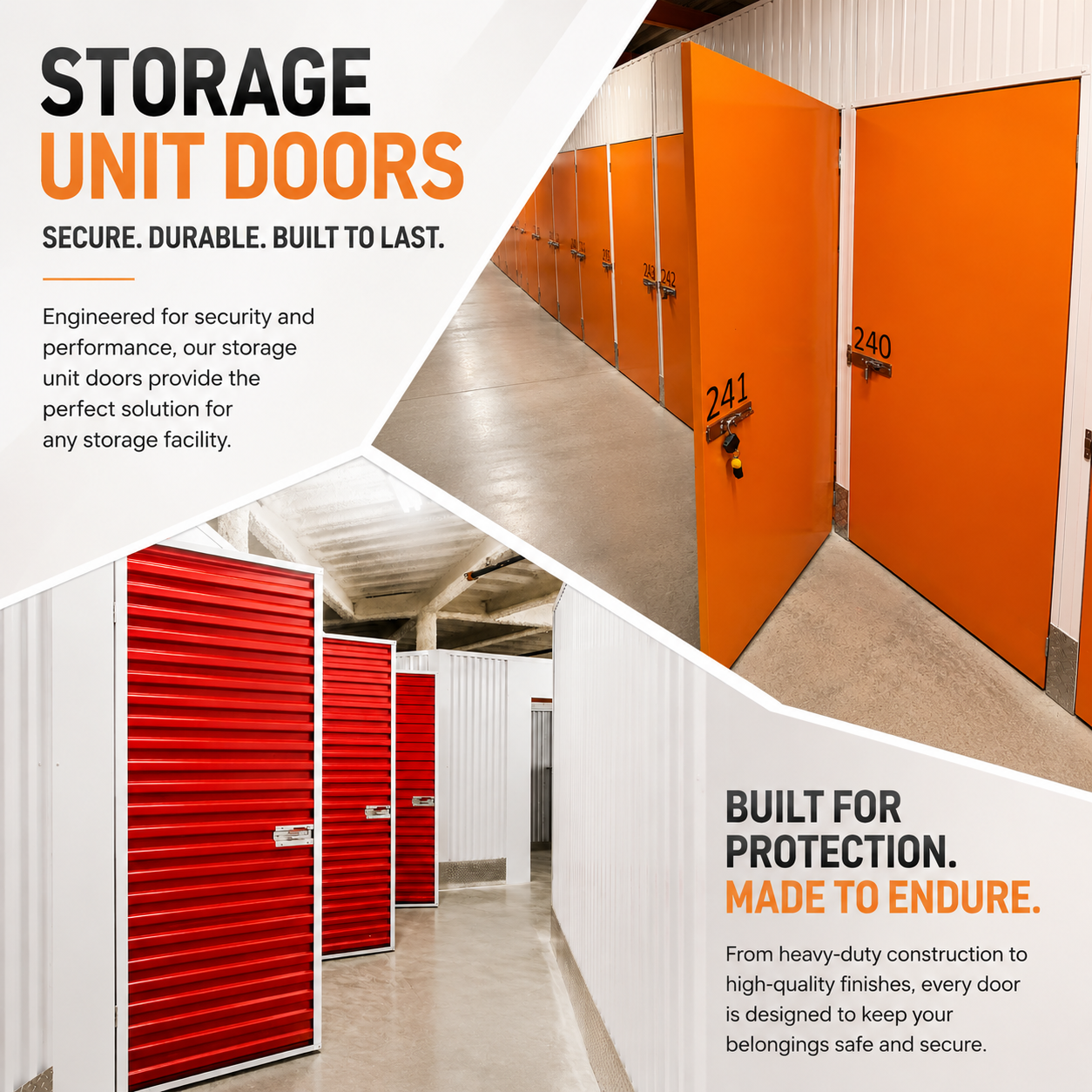
Roll-up door access: Each module is equipped with a steel roller shutter door or swing door option. Roll-up designs eliminate front clearance requirements, maximizing usable aisle space in multi-row layouts — an advantage for compact facility floor plans where every meter of aisle width matters.
-
Modular sizing: Storage unit systems are built with standardized module dimensions, enabling single, double, or multi-bay configurations. Consistent module sizing supports reliable row alignment across large projects and allows phase-by-phase facility expansion without structural redesign.
-
CE-certified quality: The storage unit product range meets CE certification requirements, providing a recognized benchmark for operators in regulated markets including the USA, UK, Netherlands, and EU. CE documentation supports customs clearance and may satisfy local permit or insurance underwriting requirements depending on the destination market.
-
Multi-level support: These systems support mezzanine and multi-level layouts, maximizing the rentable floor area of existing structures. The locker format suits modern self-service operations that prioritize tenant accessibility and efficient space utilization.
Common Applications for This Storage Unit Range
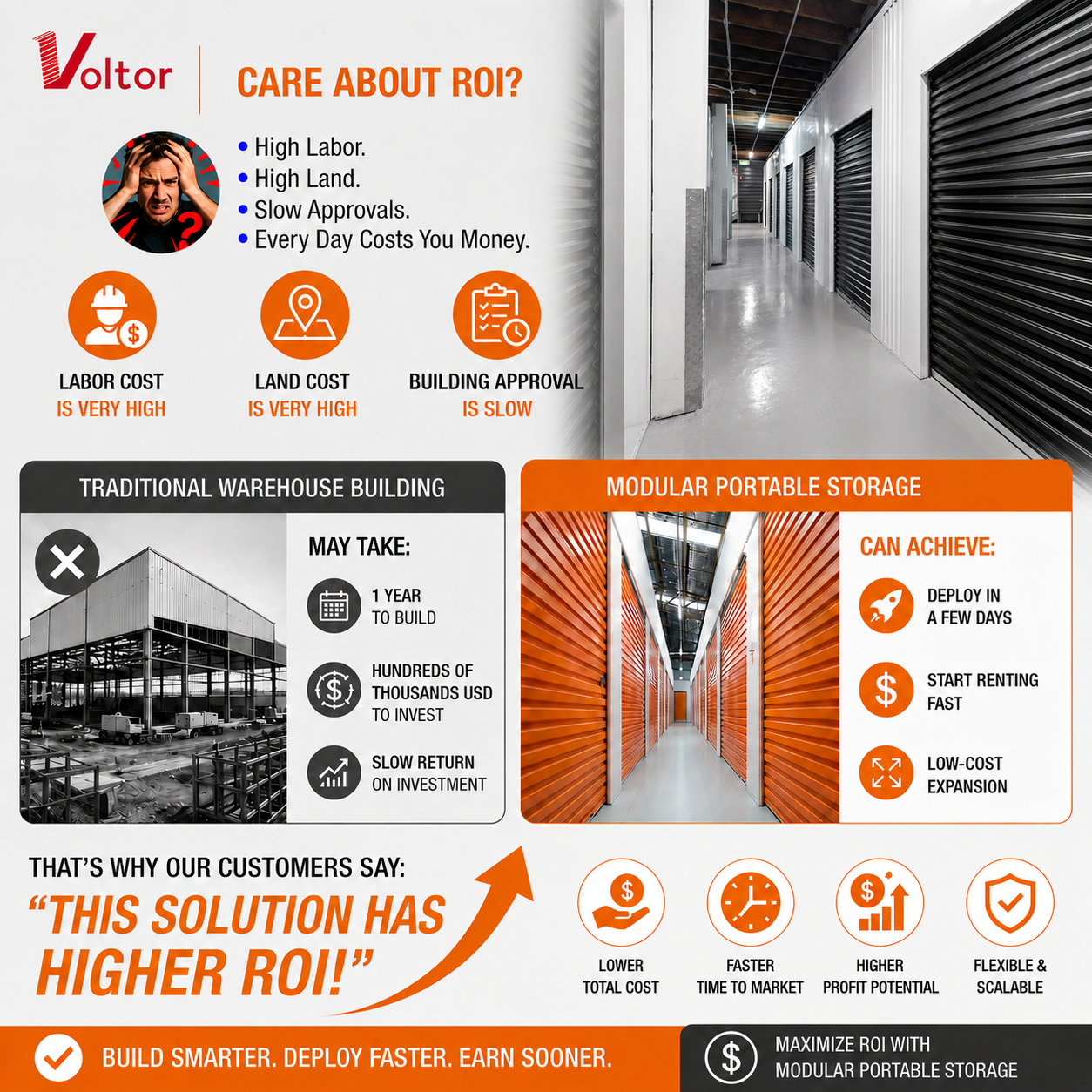
Self-storage facility development has expanded significantly in North America, Europe, and Asia-Pacific, driven by urbanization and growing demand from small businesses for flexible commercial space. Buyers for this storage unit category include facility developers building new sites, operators expanding existing facilities, and investors converting underutilized commercial properties into income-generating storage assets.
Common application contexts include:
-
Indoor storage unit configurations: Interior-fitted systems for climate-managed or standard indoor buildings, suited to residential tenant use, small business inventory, and document archiving applications.
-
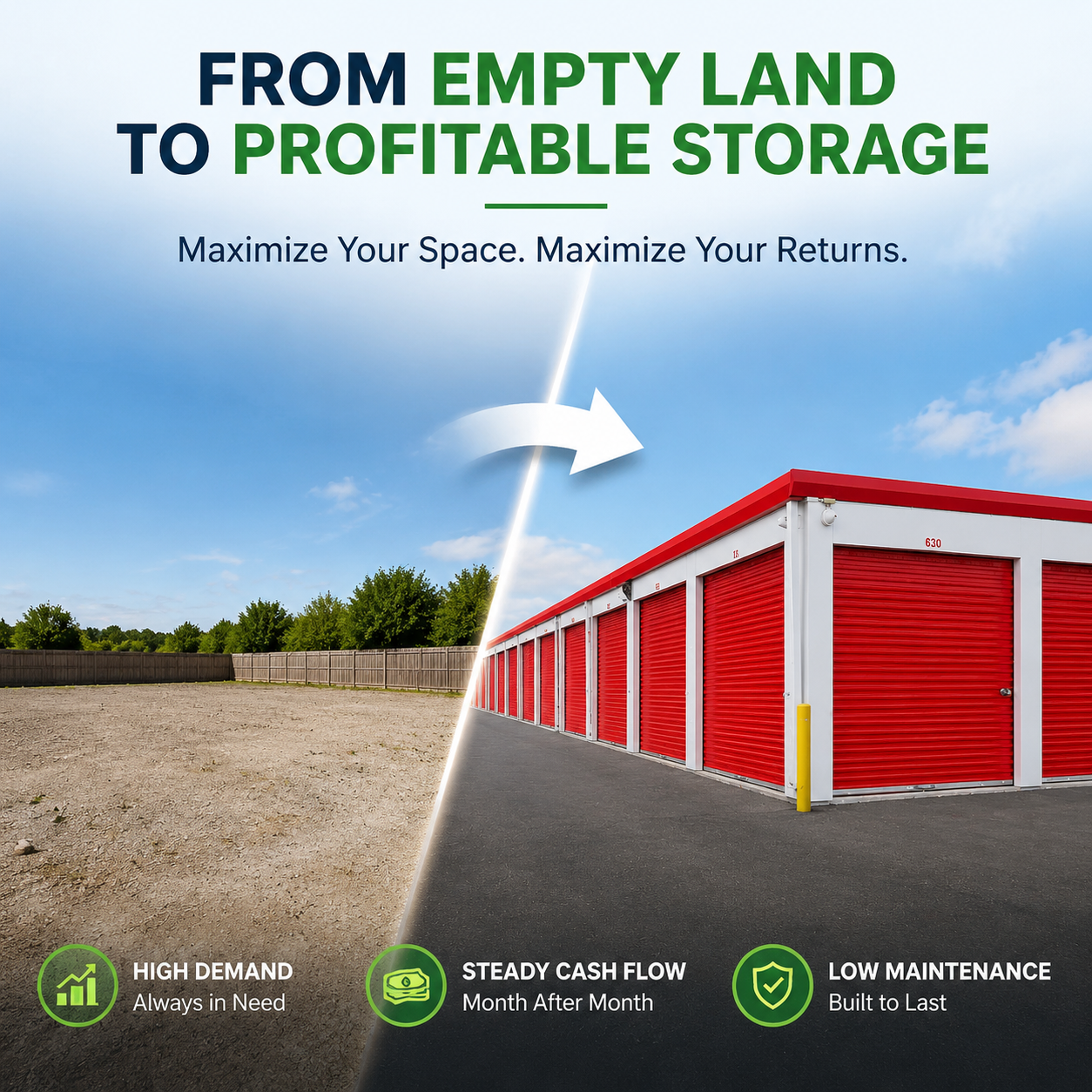
Outdoor storage unit installations: Weather-sealed systems with enhanced frame construction for exposed site conditions, serving commercial operators, contractors, and vehicle storage facilities.
-
Mini-storage and self-storage developments: Modular locker systems designed for new-build facilities, supporting rapid fitout and scalable capacity expansion as occupancy grows.
-
Commercial warehouse partitioning: Systems used to subdivide large warehouse spaces into leasable individual bays, enabling property owners to increase rental yield from underutilized floor area.
How to Choose the Right Storage Unit System
Before settling on a product configuration, it is worth asking: what is the realistic mix of storage unit sizes, access types, and daily access frequency at the facility being developed? That answer changes which door type, frame specification, and modular grid is appropriate — and resolving it at the planning stage prevents costly redesign during installation.
Evaluating a storage unit product in isolation misses part of the picture. What determines installation success is how well the overall system integrates with the structural floor plan, aisle width requirements, and fire egress design of the building. Ask the supplier for dimensioned layout drawings reflecting the actual floor dimensions and column grid — this documentation is typically required for permit applications as well.
Key trade-offs to resolve before placing a bulk order:
-
Lead time versus customization: Standard storage unit width and height configurations typically ship at faster lead times and lower cost. Custom slat profiles, non-standard color finishes, or modified frame dimensions require longer production lead times. If the facility opening date is fixed, confirm the production schedule against the project timeline before specifying non-standard options.
-
Specification scope versus project budget: The fully specified version of a storage unit system — meeting every requirement for weather resistance, security grading, and modular alignment — rarely fits the initial project budget. Confirm which specifications are non-negotiable for the target market's insurance and building code requirements before committing to premium options.
-
Security specification for compliance: The storage unit and self-storage industry carries specific security and insurance requirements that influence door specification at the facility level. Confirm lock type, hasp specification, and access control requirements with your insurer before finalizing hardware selections.
-
Batch consistency for large projects: For multi-hundred-unit facility fitouts, consistent module dimensions across production batches is a practical requirement. Variation between batches creates alignment issues during installation. Ask for dimensional tolerance documentation when evaluating storage unit suppliers for large orders.
Why Storage Unit Quality Matters for International Buyers
Self-storage is an established and growing global asset class. Developer and operator interest has expanded beyond mature markets in North America and Western Europe into new facility development across the Middle East, Latin America, and Southeast Asia — regions where this storage unit product range is actively specified and supplied.
For international buyers sourcing from a manufacturer in China, several factors determine whether a supplier can reliably support a project at scale:
-
Component accuracy and fit: Storage unit systems designed with manufacturing tolerances that support straightforward field assembly minimize on-site labor and reduce installation delays. Systems where components require significant on-site adjustment indicate production tolerance issues that compound across a large fitout.
-
Documentation for import and permitting: International buyers frequently require CE certificates, technical data sheets, and dimensioned drawings to satisfy customs clearance and local permit applications. Confirming that the supplier maintains current storage unit documentation before placing an order avoids clearance delays that disrupt project schedules.
-
Layout support during planning: Suppliers who provide layout drawings, bay configuration guidance, and specification sheets during pre-construction add value for developers working through permit applications. This capability varies significantly between suppliers.
-
After-sales support scope: For buyers in markets with limited local service availability, the supplier's capability for post-delivery technical queries, spare parts, and defect response is a meaningful selection criterion. Clarifying warranty scope and claims process before placing a first storage unit order is worth confirming upfront.
If the project is a single facility development, price and lead time may be the primary order drivers. If the objective is a series of facilities or an ongoing procurement relationship, batch consistency, documentation completeness, and technical responsiveness will prove more significant over the course of the relationship with any storage unit manufacturer.

 EN
EN