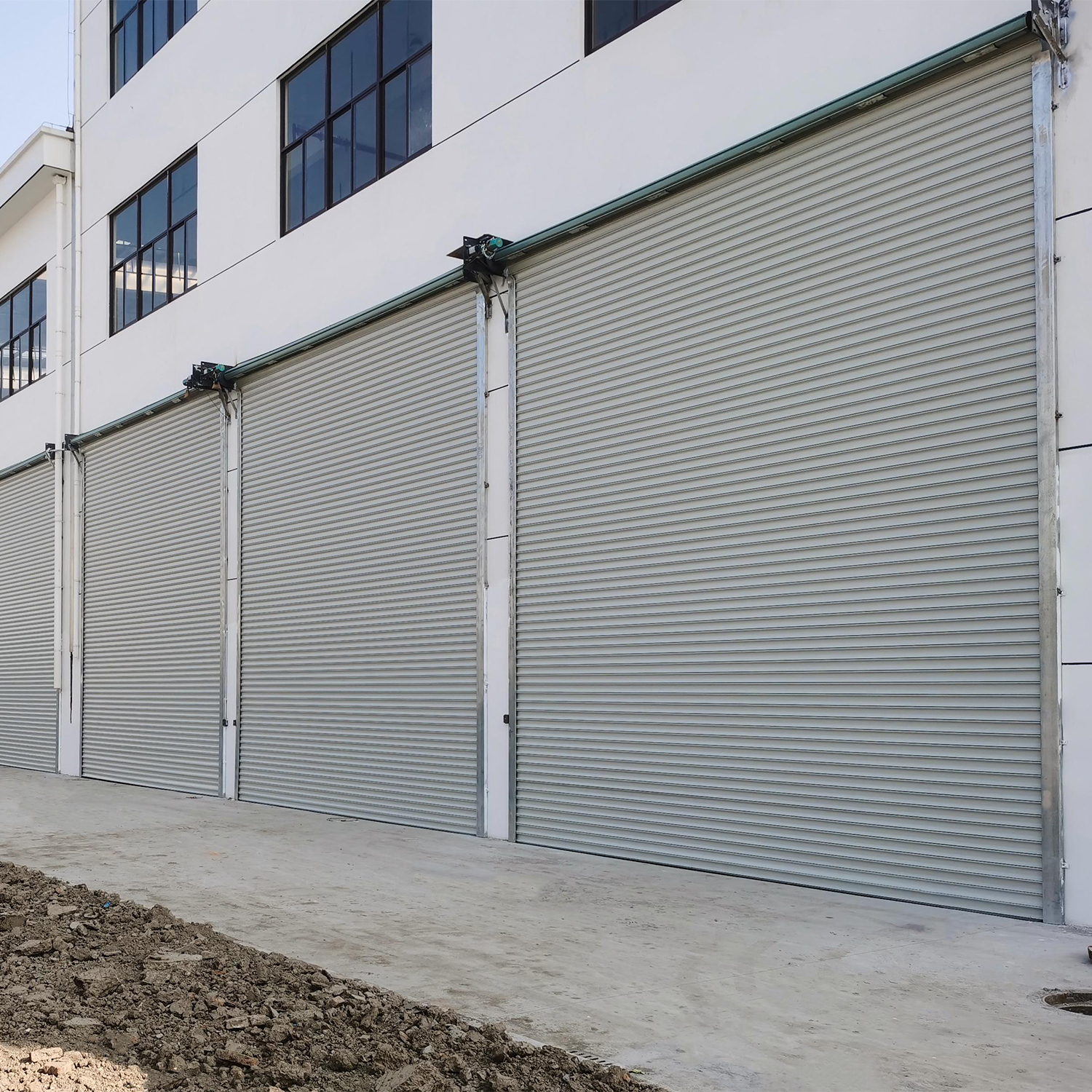
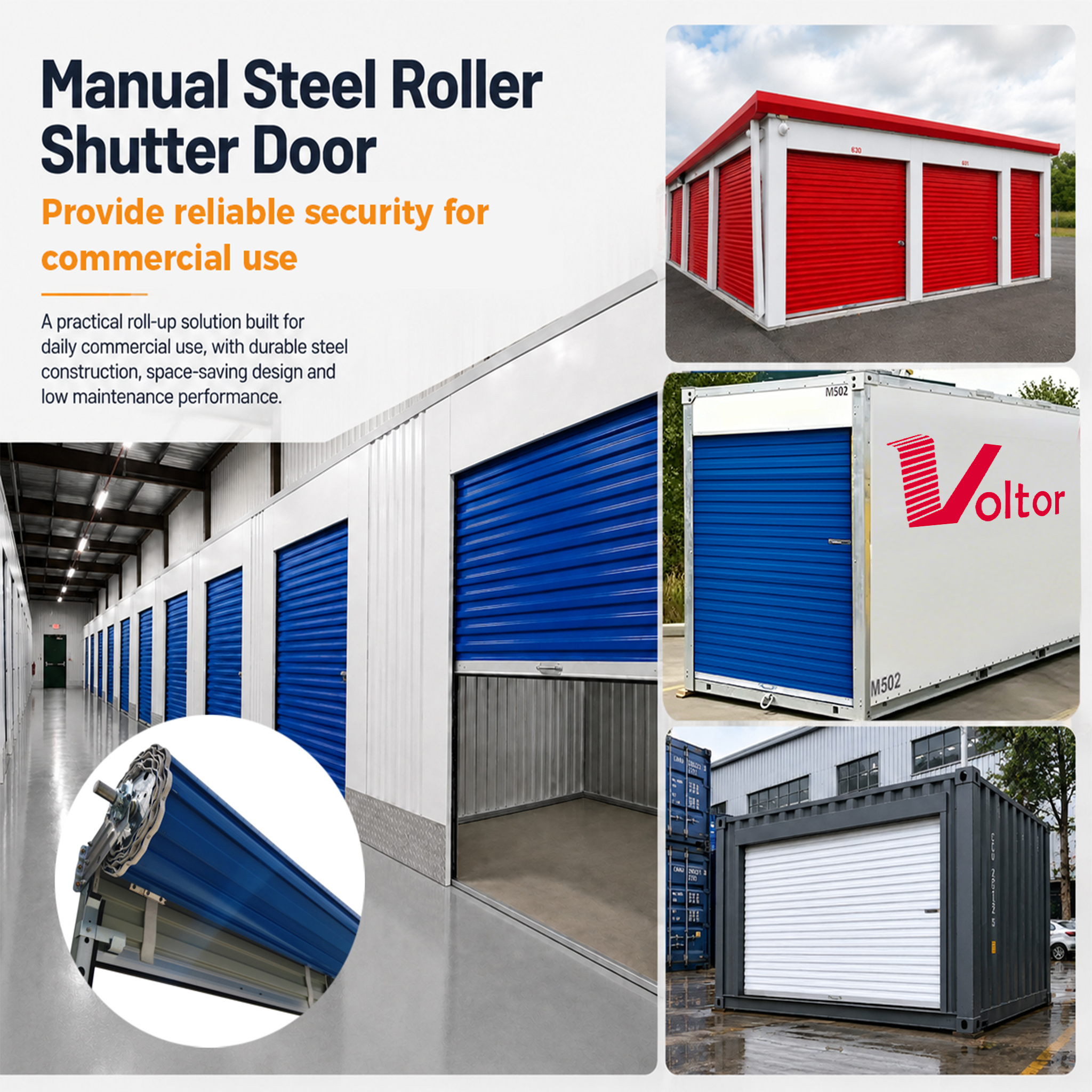
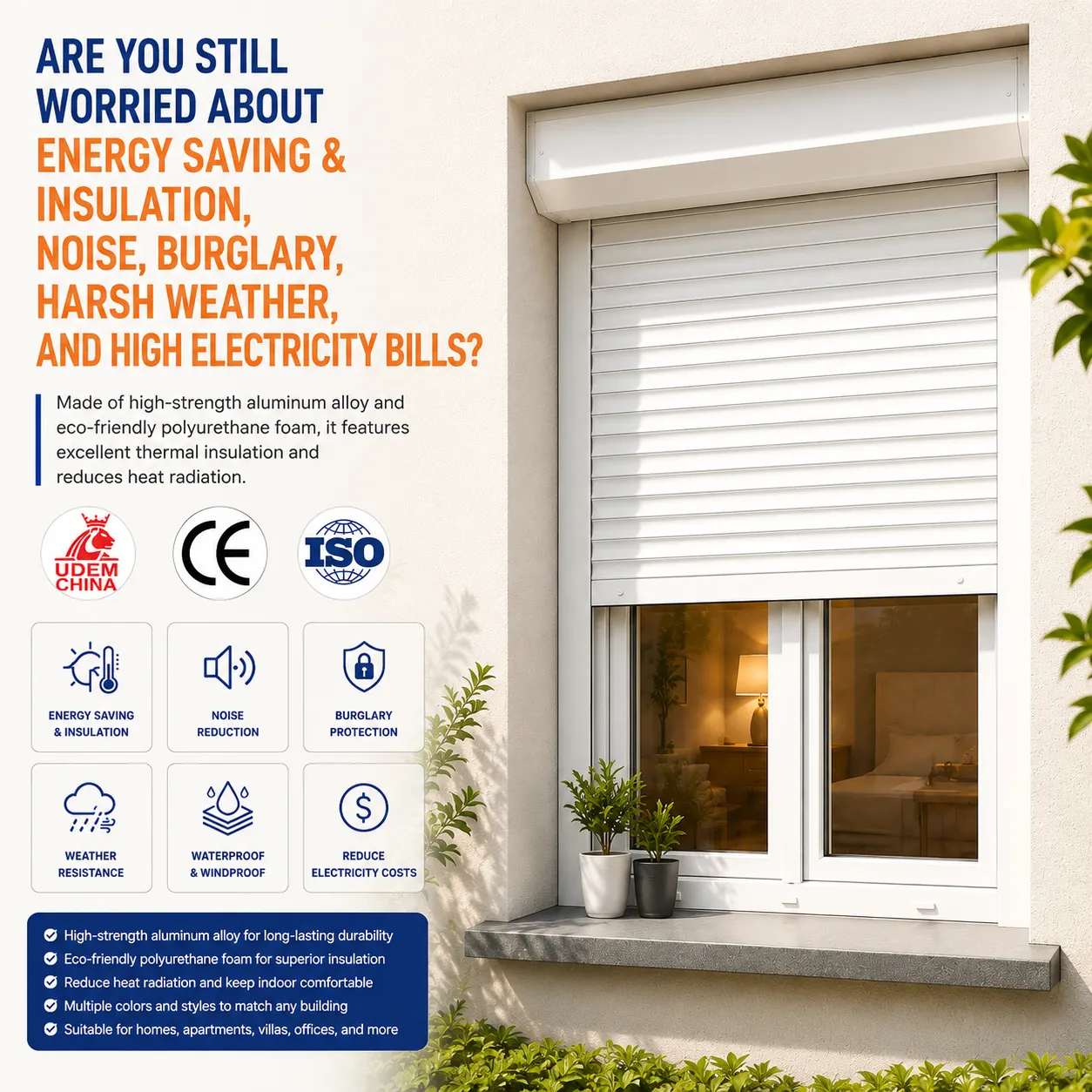
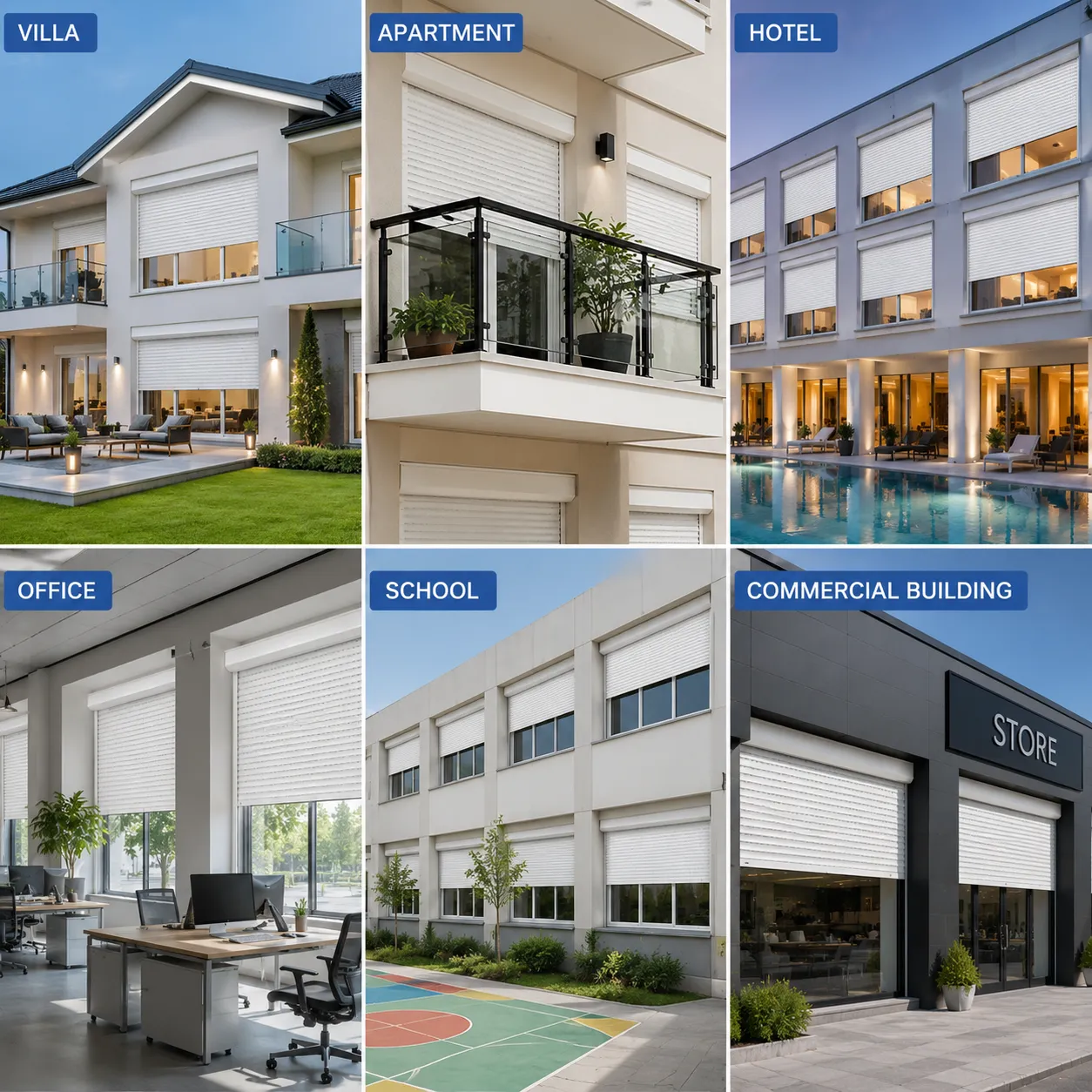
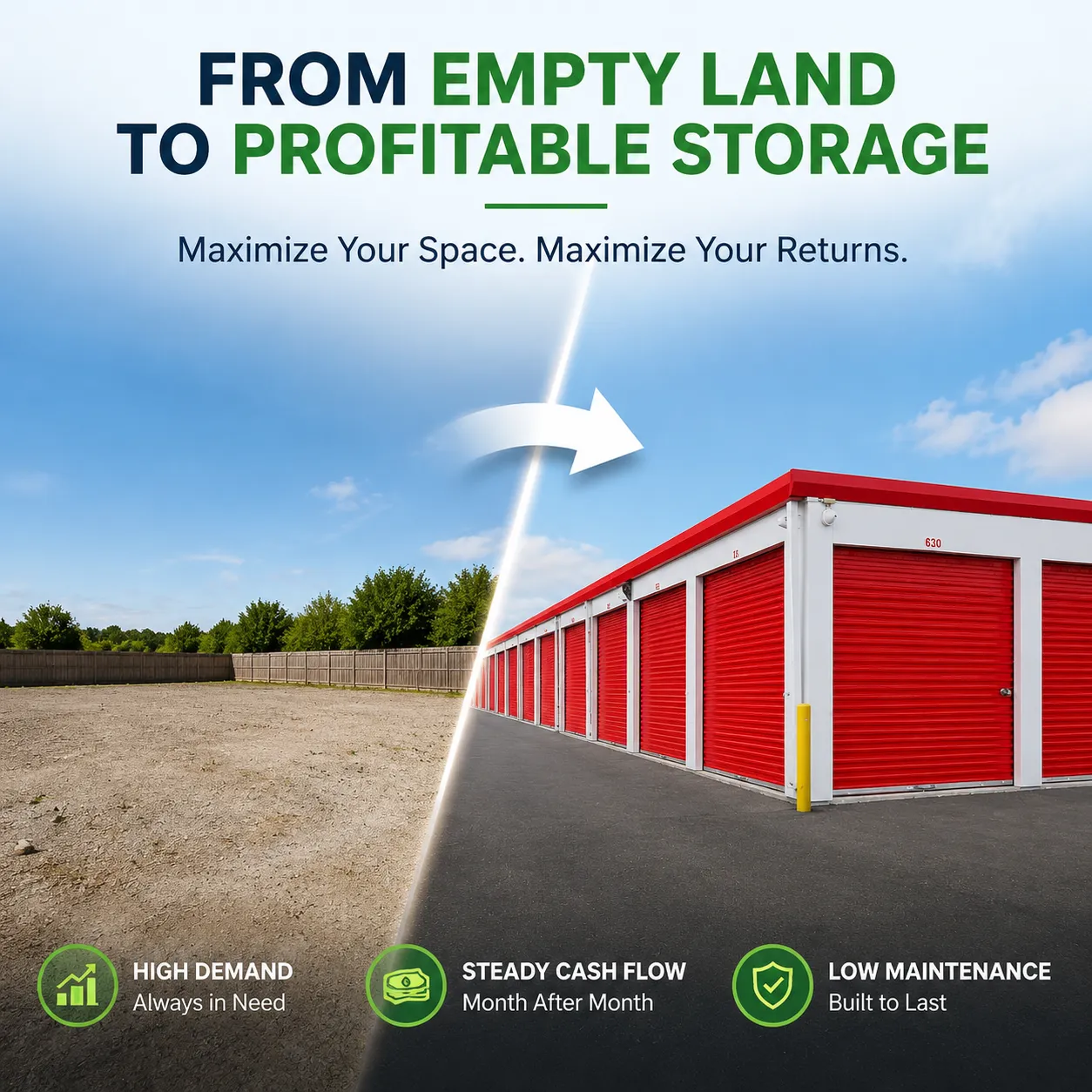
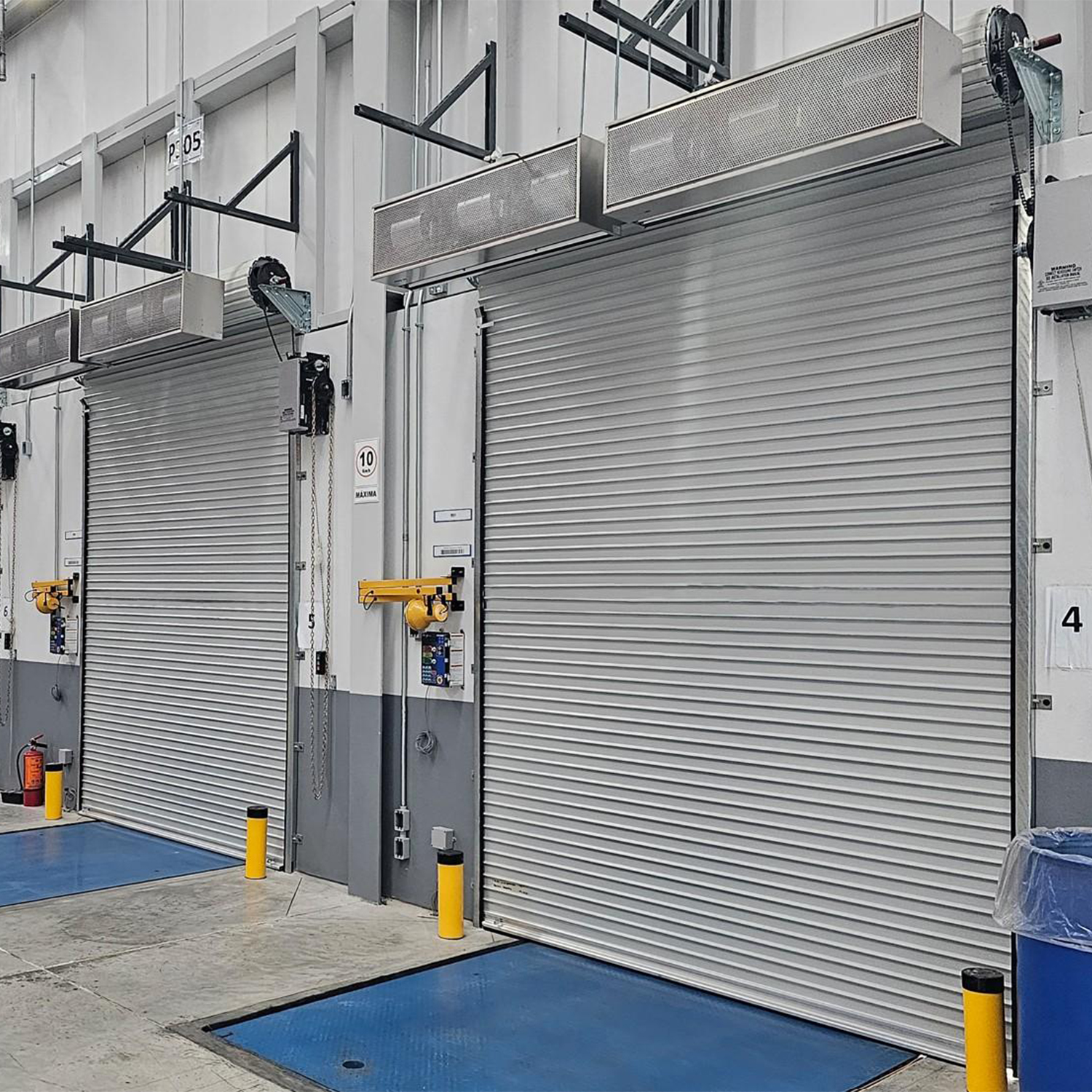
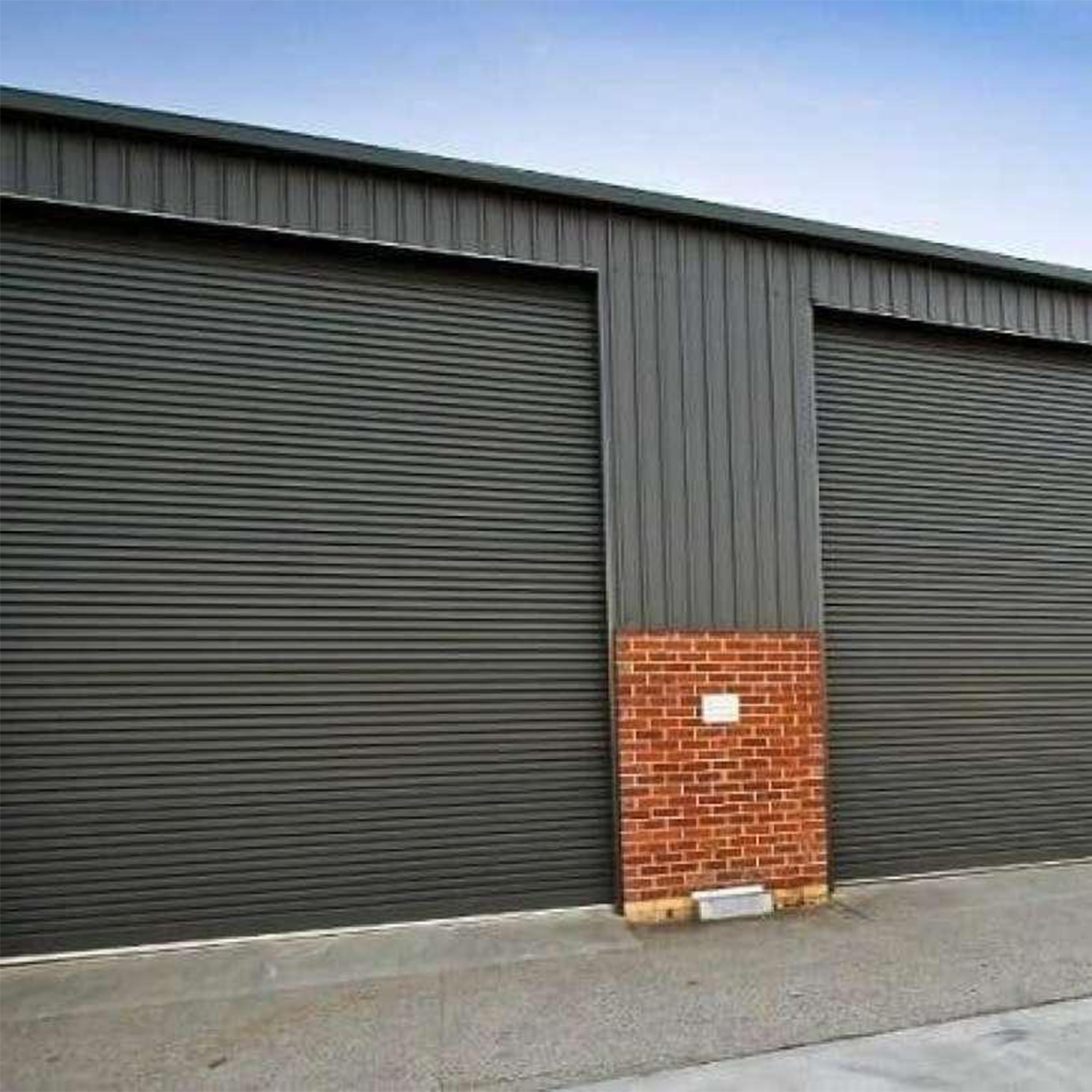
Choosing the right Steel Roller Shutter Door is a decision that affects security, daily operating efficiency and long-term maintenance budgets. Understanding how these doors are constructed and what options exist helps buyers compare quotations fairly and avoid costly mistakes. The core of a Steel Roller Shutter Door is its curtain, formed from interlocking steel slats. Slat thickness and profile directly influence strength and rigidity. For standard openings, a lighter slat may be sufficient, while wide spans and high-usage facilities usually require thicker, reinforced profiles to resist deflection and wind load. Surface treatment matters just as much as thickness. Galvanized steel provides baseline corrosion protection, while powder coating adds color, UV resistance and an extra barrier against moisture. In coastal or humid regions, specifying higher zinc coating weights and quality powder coating significantly extends service life. Operation type is the next major decision. Manual Steel Roller Shutter Doors rely on springs, push-up handles or chain operation. They are economical, require no electrical infrastructure and suit low-frequency access such as storage rooms and back entrances. Electric Steel Roller Shutter Doors use tubular motors and are controlled by wall switches, remote controls or keypads. They are the standard choice for warehouses, retail frontages and logistics facilities where staff move in and out frequently. Electric models can include safety edge sensors that reverse the door on contact, photocells, and battery backup or manual override chains for power failures. For very large or heavy doors, a chain hoist or crank system provides reliable manual operation. Insulation is increasingly important. Insulated slats with polyurethane or rock wool cores reduce heat transfer, helping cold storage, food processing and climate-controlled buildings maintain stable temperatures and lower energy costs. Insulated doors also reduce noise transmission, which benefits facilities near residential areas. Perforated slats, on the other hand, provide ventilation for parking garages, workshops and storage units that need airflow while remaining secure. Self storage operators have specific needs. Steel Roller Shutter Doors are widely used on outdoor storage units and drive-up units because they offer strong security and easy vehicle access. Combined with our indoor self storage units and corridor systems, they allow operators to create clean, subdividable rentable spaces. Door sizing, guide rail design and locking options should be coordinated with the unit layout to maximize usable space and simplify customer access. Installation quality determines real-world performance. Doors must be mounted plumb and level, with correct clearances and secure anchoring to suitable structural material. Guide rails should be aligned to prevent binding, and motors must be set with accurate limit positions. Our team supplies detailed manuals and drawings, and we recommend engaging experienced installers for electric doors. Maintenance is straightforward when specified correctly: periodic inspection of springs, cables, rollers and guide rails, lubrication of moving parts, and cleaning of slats and tracks. Keeping drains and bottom seals in good condition prevents water ingress and corrosion. Facilities in dusty or high-traffic environments should schedule more frequent checks. Finally, consider the supplier. A manufacturer with in-house design, production and quality control can offer consistent quality, customization and technical support. Qingdao Voltor combines 20 years of manufacturing experience with export experience across North America, Europe, Australia and the Middle East, helping customers specify the right Steel Roller Shutter Door for their climate, usage pattern and budget.
Copyright © 2026 By Qingdao Voltor Door Industry Technology Manufacturing Co., Ltd. - Privacy policy