 EN
EN
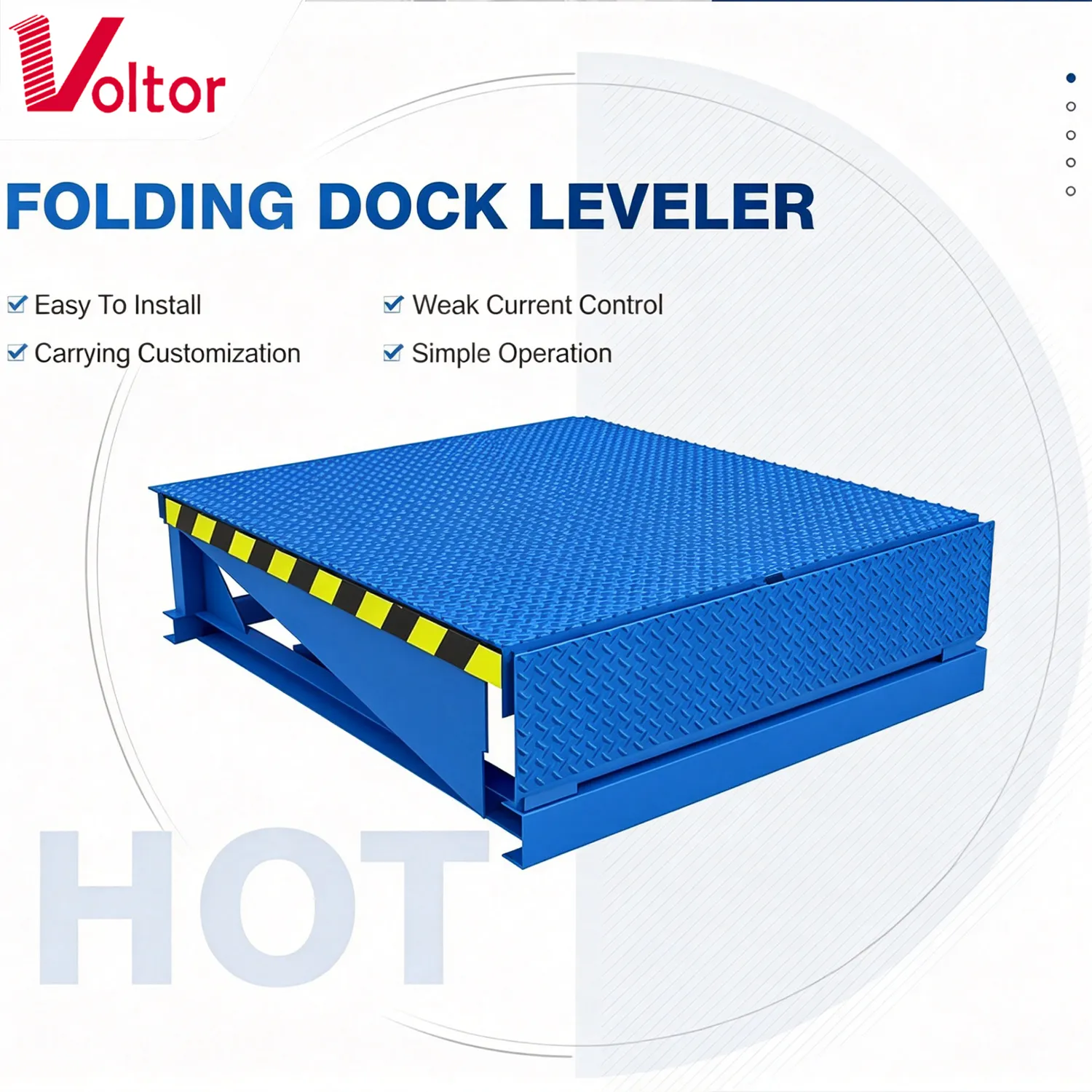
A loading dock moves freight, forklifts and people through a busy warehouse zone, and the equipment at that opening carries constant load every shift. Hydraulic Dock Levelers bridge the gap between trailer bed and warehouse floor, so a small fault at the lip or in the hydraulic circuit can turn into a dropped load or a struck worker within seconds. Daily inspection turns those hidden faults into manageable, planned tasks rather than emergency repairs.
Why before-each-shift inspection matters
What a daily dock inspection covers
Hydraulic Dock Levelers combine a steel platform, a telescopic lip, a hydraulic cylinder and a hydraulic power unit into one moving assembly. A daily check confirms the lip extends fully, the platform sits level, the safety leg holds position, and the oil pressure stays within range. The inspection is short by design — most operators finish it in under five minutes — but it catches the failures that cause the most downtime and confirms the unit is safe for the next shift.
How accidents develop when checks are skipped
Dock incidents rarely start with a loud failure. They begin with a slow hydraulic oil leak that lowers holding pressure, a worn toe guard that no longer protects feet, or a dock bumper that has compressed past its limit and lets a trailer drift. When ignored, a forklift can meet a lip that suddenly drops because the safety leg never engaged. A distribution operator in the Midwest ran a three-shift site where night crews skipped the pre-shift walk-around. Their Hydraulic Dock Levelers were serviced only after something broke, and within a quarter they recorded two near-misses and one trailer creep incident. After adopting a fixed before-each-shift checklist covering lip, cylinder, oil, legs, bumpers and emergency stop, dock incidents dropped to zero over the following six months. The change cost nothing but discipline.
Lip platform, telescopic lip and toe guard
Inspecting lip extension and platform deck
The lip platform and telescopic lip carry the full crossing load, so the deck must be free of cracks, dents and built-up debris. Inspectors should cycle the lip once and watch for smooth, complete extension with no hesitation. A lip that stalls mid-travel often signals low hydraulic pressure or a binding hinge. The platform deck should sit flush with the floor when parked; an out-of-level deck means the pit or hinge pins have shifted. Visual confirmation of the extension length against the rated lip travel prevents a forklift from crossing a gap it cannot span.
Checking the toe guard and edge safety
The toe guard sits along the platform edge to shield feet and toes from the pinch point between deck and pit. Look for bent sections, missing fasteners or impact damage. The safety edge, where fitted, must compress and release without sticking. Any gap wider than the guard's coverage exposes workers during loading. Replacing a damaged toe guard before a shift is far cheaper than addressing an injury investigation later.
Hydraulic cylinder, hydraulic oil and holding pressure
Checking hydraulic oil level and leaks
The hydraulic cylinder depends on clean hydraulic oil at the correct level, and a slow seep at a seal drains both oil and holding pressure over time. Walk the unit and check the cylinder rod, hose fittings and hydraulic power unit for wet film or drips. Confirm the reservoir sight glass sits in the marked band. Contaminated oil accelerates wear inside the cylinder, so note any milky color that signals water ingress. Topping up within the maintenance platform's documented limits keeps the system stable. Never mix incompatible fluids.
Testing cylinder operation under load
A cylinder that holds pressure unloaded can still drift under a live load, so a load test matters. Raise the platform, then watch the deck for any downward creep over a measured minute. The safety leg should engage automatically as the deck descends, locking the unit if the cylinder loses pressure. If the deck continues to fall, the hydraulic circuit or the leg mechanism needs service before the next load crosses. For Hydraulic Dock Levelers, the hold test against rated load capacity is the clearest proof the circuit is sound.
Safety legs, dock bumpers, emergency stop and OSHA alignment
Verifying safety leg engagement and bumpers
Safety legs are the last line of protection against an unexpected deck drop, so they must drop and lock every cycle without manual help. On most Hydraulic Dock Levelers the safety leg is spring-loaded and positioned by the deck travel, which means a blocked pit or bent bracket can stop it from seating. Listen for the engagement click and confirm the leg pads rest on solid pit floor, not on debris. Dock bumpers absorb trailer impact and keep the trailer from crushing the leveler; check for cracked rubber, exposed mounting bolts and loss of thickness. A bumper worn below half its original depth should be replaced on schedule.
Aligning checks with OSHA and ANSI MH standards
Routine inspection aligns directly with OSHA loading-dock safety expectations and the ANSI MH30.1 guidance that covers dock leveler design and use. The standards treat the dock as a controlled-traffic zone where equipment condition and operator awareness both reduce risk. A practical program maps each daily item — lip, oil, leg, bumper, emergency stop — to a line on the check sheet, with a named owner per shift. When a trailer is positioned, wheel chocks and the emergency stop within reach complete the safe setup. Buyers should ask suppliers about compliance documentation and service access, then maintain the unit on a fixed calendar to protect uptime.
Daily inspection keeps Hydraulic Dock Levelers dependable because small faults are found while they are still cheap to fix. A disciplined before-each-shift routine covering the lip platform, hydraulic cylinder, hydraulic oil, safety leg, dock bumper and emergency stop removes the most common causes of dock incidents. Pair that routine with OSHA and ANSI MH alignment, and the loading dock becomes a controlled, predictable work zone instead of a daily gamble.
Frequently Asked Questions
Question
What daily inspection items are required for a dock leveler?
Answer: A daily check should cover the lip platform and telescopic lip extension, the hydraulic cylinder and oil level, visible leaks at fittings, safety leg engagement, dock bumper condition and the emergency stop function. Each item maps to a failure mode that can cause a drop or a struck-worker incident. Recording results per shift builds a trend that supports planned maintenance and keeps Hydraulic Dock Levelers within OSHA and ANSI MH expectations for safe dock operation.
Question
Why does the safety leg matter during daily checks?
Answer: The safety leg is the mechanical backup that locks the platform if hydraulic pressure is lost, preventing an unexpected deck drop onto workers or equipment below. A leg that fails to engage automatically removes that protection entirely. Daily verification confirms the leg drops, locks and rests on solid pit floor. This single check addresses one of the most severe dock hazards, which is why standards and operators treat it as non-negotiable before any load crosses the opening.
Question
How is hydraulic oil condition checked on a leveler?
Answer: Inspect the reservoir sight glass to confirm the level sits in the marked band, then walk the cylinder, hose fittings and power unit for wet film or drips. Milky or cloudy oil signals water contamination that accelerates internal wear. Top up only with the fluid type documented for the unit, and never mix grades. A clean, correctly filled system holds pressure under load and protects the hydraulic cylinder from premature failure during daily operation at the dock.
Question
Can a worn dock bumper cause safety problems?
Answer: Yes. A dock bumper absorbs trailer impact and stops the vehicle from crushing the leveler and surrounding structure. When rubber cracks, bolts show or thickness falls below half the original depth, the trailer can drift and contact the pit or deck. Daily inspection catches this wear early. Replacing bumpers on a fixed schedule protects the building, the equipment and the trailer, and keeps the dock opening aligned for safe, level crossings by forklifts.
Question
Which standards guide dock leveler inspection practice?
Answer: OSHA loading-dock safety expectations and the ANSI MH30.1 standard provide the recognized framework for dock leveler inspection and use. They treat the dock as a controlled-traffic zone where equipment condition and operator awareness reduce risk together. A practical program maps each daily item to a check-sheet line with a named shift owner. Buyers should request supplier compliance documentation and confirm service access before purchase.