
 EN
EN
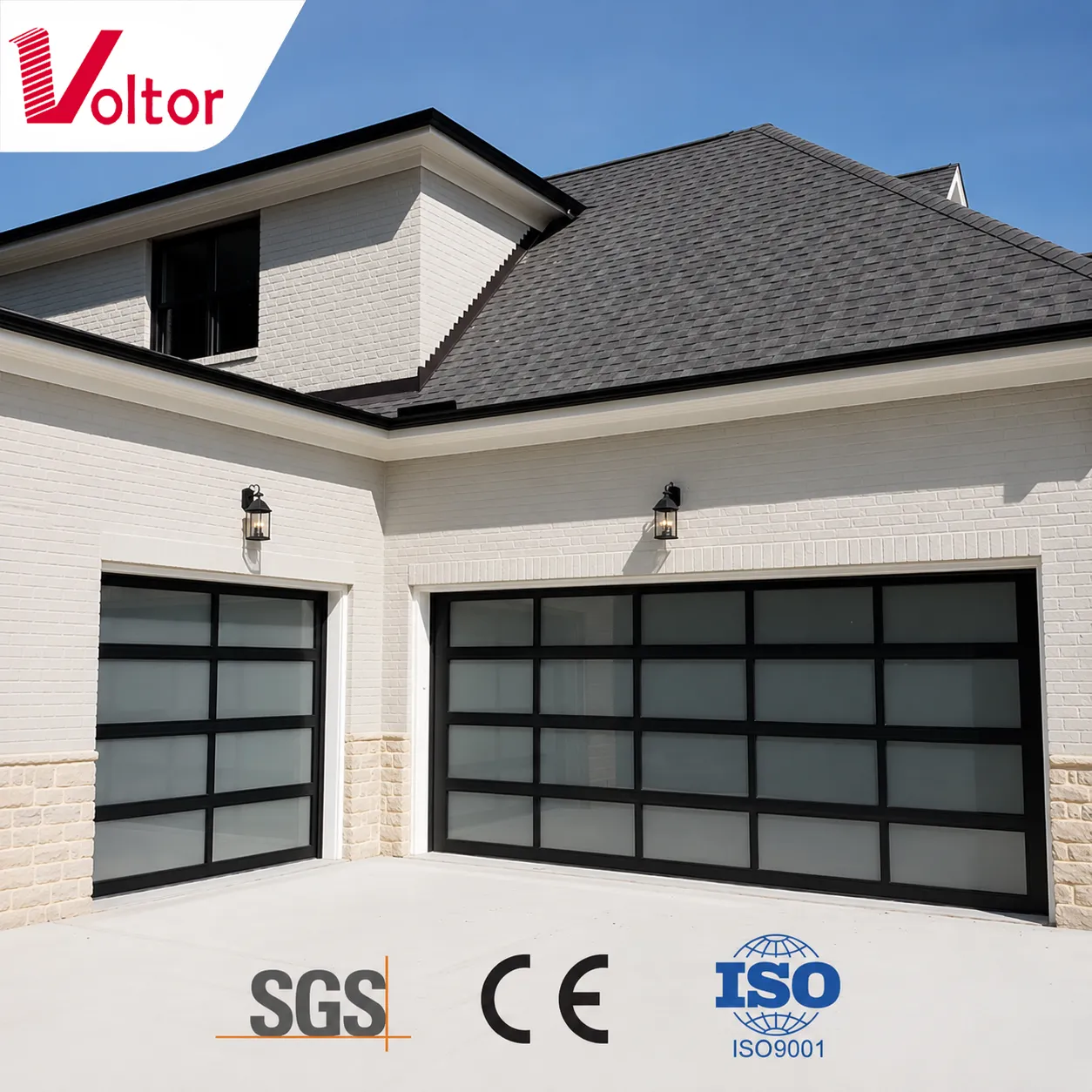
Homeowners planning a new two-car garage often ask whether the 16x8 garage door is the right standard to specify. The short answer is that a 16 ft wide by 8 ft tall opening has become the default residential choice across much of the United States, and for good practical reasons tied to vehicle width, parking geometry, and builder convention. Builders reach for this size because it balances cost, code compliance, and everyday usability without forcing custom framing.
The residential construction market did not arrive at 16 ft by accident. Decades of tract-home design settled on a double garage footprint of roughly 18 to 20 ft deep and 16 ft wide at the opening, sized so two mid-size cars fit with room to walk between them. This convention spread because it matched the typical two-car garage lot and the vehicles American families actually drove.
Understanding the 16x8 Residential Standard
What the 16 ft Width Really Accomplishes
The main reason a 16x8 garage door dominates two-car projects is simple geometry. Two full-size sedans parked side by side typically span about 6.5 to 7 ft each, leaving roughly 2 to 3 ft of combined shoulder clearance inside a 16 ft opening. That buffer lets both drivers open doors without scraping adjacent panels, and it absorbs the small alignment errors every driver makes on a dark, rainy night. A wider 18 ft bay exists, but it raises wall and framing costs without solving a common problem.
Why 8 ft Height Became the Residential Norm
Height matters as much as width for modern households, and the 16x8 garage door remains the default even where ceiling height varies. The 8 ft clear opening clears roof boxes, tall SUVs, and lifted pickups that a 7 ft door would block at the header. Most sectional garage door systems mount panels that curve from vertical track to horizontal near the ceiling. Building codes such as the IRC reference minimum garage dimensions, and 8 ft heads comfortably meet those without forcing custom framing.
Matching the Opening to Two-Car Vehicle Dimensions
Pickup Trucks and Tall SUVs Versus Clearance
A two-car garage today rarely holds two sedans. One side often parks a half-ton pickup or a three-row SUV measuring 75 to 80 inches wide and over 6 ft tall at the roofline. The 16x8 garage door swallows both without drama, provided the garage depth reaches 20 ft so the longer vehicle does not crowd the opposite car. Where a household keeps a camper shell or roof rack, measuring the tallest item before ordering prevents a painful return and an expensive replacement leaf.
Parking Geometry and Interior Space
Width alone does not ensure comfort, yet the 16x8 garage door supports a workable layout when planned well. The double garage interior should give each vehicle about 30 to 36 inches of door-opening clearance beside it, which a 16 ft opening provides when the cars sit centered. A sectional panel design with a torsion spring counterbalance lets the door lift smoothly and stay put if a cable fails. The garage opener placement and safety sensor alignment depend on this geometry.
A Real Two-Car Garage Build
A Suburban Builder's Sizing Decision
A contractor in suburban Chicago faced a repeat problem on spec homes: buyers wanted one bay for a family SUV and the other for a hobby workshop. The background was a tight lot width that blocked a triple bay. The problem surfaced when early 16x7 openings left the SUV owner's roof rack scraping the header. The solution was to standardize every home on a 16x8 garage door, lengthen the bay to 21 ft, and add perimeter weather seal. The effect was fewer punch-list complaints, faster inspections, and a layout that passed local wind load review on the first submission.
Wind Load, Headroom and Track Layout
Coastal and plains regions demand doors rated for wind load, because a failed panel becomes a projectile in storms. A sectional garage door rated to local wind zones uses heavier gauge steel and reinforced struts, and the vertical track must anchor to structural jambs, not just drywall. Headroom above the opening of at least 12 inches lets the torsion spring and cable drum operate; low-headroom kits exist when ceiling height is constrained. ANSI/DASMA guidance informs how these assemblies are tested for impact and cycle life.
Buying, Measuring and Maintaining the Opening
Insulation, Weather Seal and Garage Opener Planning
When specifying a 16x8 garage door, pair insulation R-value around R-12 to R-16 so the two-car garage stays comfortable and heat transfer into living space above is cut. A quality weather seal along the bottom and sides stops drafts, pests, and moisture that rust hardware. The garage opener should match door weight and the torsion spring balance, with a safety sensor at the base to reverse on obstruction per UL 325.
Maintenance Habits That Protect the System
A sectional garage door lasts longer with simple habits. Twice a year, inspect the torsion spring for gaps or rust, tighten track brackets, and wipe the vertical track to remove grit that accelerates wear. Test the safety sensor by placing an object in the path and confirming reversal. Lubricate rollers and hinges with a silicone product, not grease that traps dust. These steps protect the door, the vehicle, and daily users of the space.
The 16x8 garage door earned its place as the common US residential standard through practical fit, not marketing. It clears two full vehicles, handles tall SUVs and roof racks, and meets code while staying affordable to frame and finish. For most two-car garage projects, this size remains the sensible default, with wind load rating, insulation, and a balanced torsion spring deciding the final quality rather than the opening dimensions themselves.
Frequently Asked Questions
Question
What size vehicles fit through a 16x8 garage door opening?
Answer: A 16 ft by 8 ft opening clears two mid-size sedans, a full-size SUV, or a half-ton pickup with a roof rack, provided garage depth reaches about 20 ft. Width allows roughly 2 to 3 ft of combined shoulder space so doors open without scraping. Measure the tallest and widest vehicle first, because campers and racks change the math and an undersized order becomes a costly return.
Question
Why do builders prefer the 8 ft height over 7 ft?
Answer: The taller opening clears roof boxes, lifted suspensions, and tall SUVs that a 7 ft door would block at the header. An 8 ft headroom also leaves overhead storage and attic access intact while the sectional door curves to horizontal. Most residential codes align with this dimension, so builders avoid custom framing and inspection delays. The small cost difference pays back through daily convenience and fewer owner complaints.
Question
How is wind load rating checked before purchase?
Answer: Ask the supplier for the door's design pressure rating matched to the local wind zone, then confirm the label and test documentation. A sectional garage door for high-wind regions uses reinforced struts and heavier gauge steel anchored to structural jambs. Verify the rating follows regional building requirements and that installers anchor the vertical track to framing, not drywall. Proper anchorage is what converts a rated panel into real storm protection.
Question
Can a low-ceiling garage still use this size?
Answer: Yes, a low-headroom application can still use the 16 ft by 8 ft opening with a specialized track kit. Low-headroom brackets let the sectional panels follow a tighter curve so the torsion spring and cable drum fit within 6 to 8 inches of space. The opening height stays 8 ft; only the top hardware changes. Confirm ceiling clearance before ordering, because some openers need extra room for the drive rail and sensor wiring.
Question
Which maintenance step matters most for safety?
Answer: Testing the safety sensor ranks highest, because it reverses the door if a child, pet, or object blocks the path, meeting UL 325 reversal rules. Do this monthly by placing an object in the beam and confirming the garage opener stops and lifts. Also inspect the torsion spring and weather seal each season, since a broken spring can drop a heavy leaf without warning. Regular checks prevent injuries and costly panel damage.