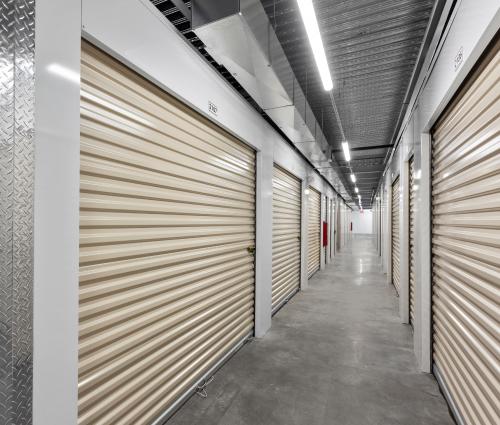
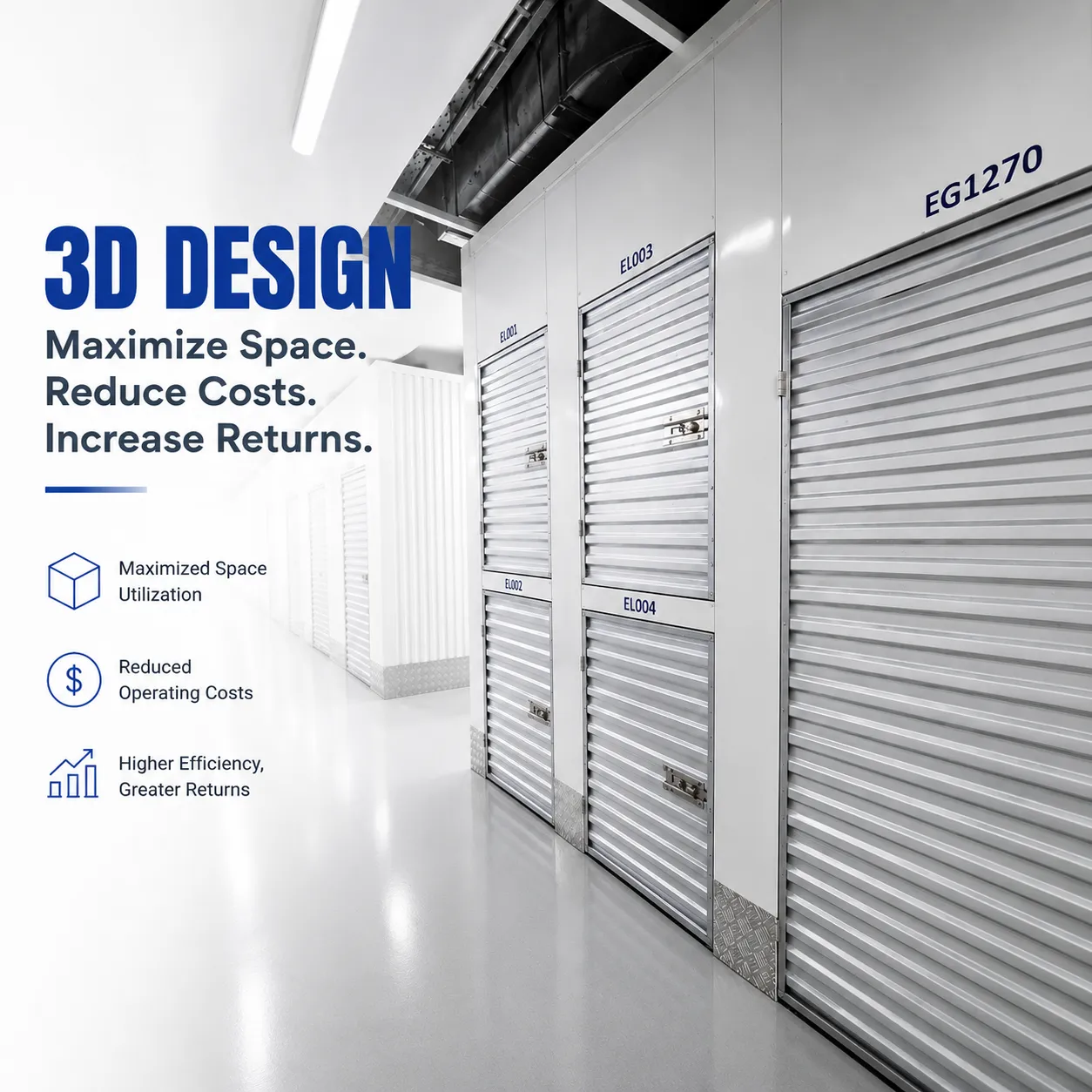
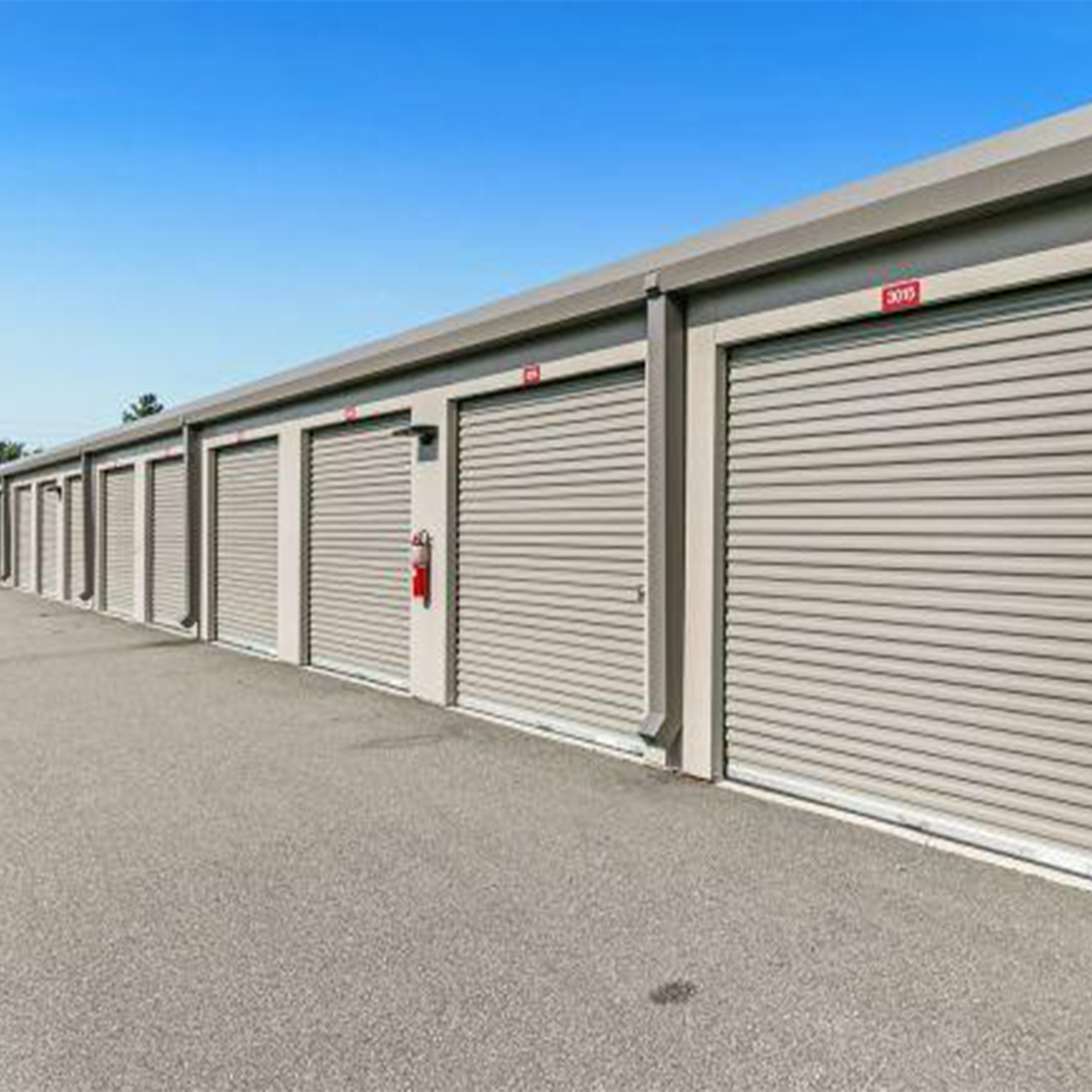
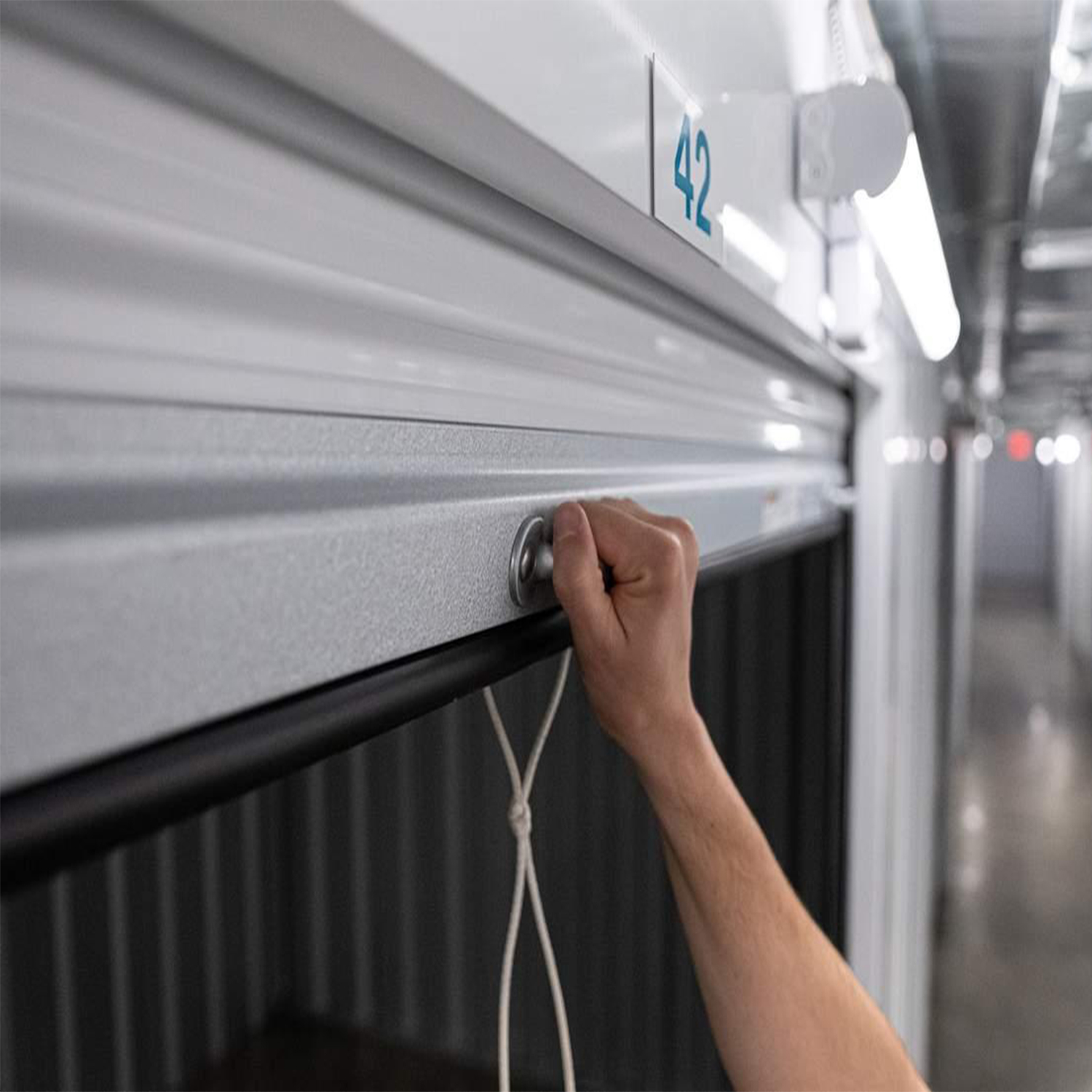
A Manual Roll Up Door is a practical access solution that combines the strength of steel roller shutters with the simplicity of hand operation. It is widely used in warehouses, commercial storefronts, self storage facilities, workshops, garages, and industrial buildings where reliable security and low operating cost matter more than automation. Understanding how a Manual Roll Up Door works, where it performs best, and how to specify it correctly helps building owners and operators make informed decisions that improve safety, efficiency, and long-term value. The core of a Manual Roll Up Door is a curtain made of interlocking steel slats that roll onto an axle mounted above the opening. The axle contains a counterbalance spring system calibrated to the door weight, which allows a person to raise and lower the curtain with controlled effort. Operation may be direct push-up, pull-down with a handle, or via a chain hoist for larger and heavier doors. Guide rails on both sides keep the curtain aligned and provide resistance against forced entry. End locks, center locks, and slide bolts secure the door when closed, while optional features such as ventilation slots, vision panels, and anti-lift devices adapt the door to specific needs. Compared with electric roller shutters, a Manual Roll Up Door offers distinct advantages. It requires no electrical connection, control panel, or motor, which reduces installation cost and eliminates downtime caused by power failures. In remote or temporary buildings, this independence is invaluable. Maintenance is simpler and less expensive because there are fewer components to service. For self storage operators, manual doors allow tenants to access units easily while keeping building infrastructure lean. For warehouses and workshops, they provide robust security without the complexity of automation, and they can be upgraded later if needs change. Choosing the right Manual Roll Up Door involves several considerations. Opening dimensions determine curtain size, slat type, and spring balancing. Frequency of use affects the required durability level; high-traffic doors benefit from thicker slats and reinforced guides. Environmental conditions such as coastal humidity, desert dust, or freezing temperatures influence surface treatment and material selection. Security requirements guide the choice of locking systems. Aesthetic preferences matter for storefronts, where color and finish contribute to brand image. Our engineering team helps customers balance these factors to achieve the best performance and value. Installation quality significantly affects Manual Roll Up Door performance. Proper alignment of guides, correct spring tension, and secure anchoring ensure smooth operation and long service life. We provide detailed installation guidance and support to help contractors achieve professional results. Regular maintenance, including lubrication of moving parts and inspection of springs and locks, keeps the door operating safely. With correct specification, installation, and care, a Manual Roll Up Door can serve reliably for many years, protecting property and supporting daily operations across diverse global markets.
Copyright © 2026 By Qingdao Voltor Door Industry Technology Manufacturing Co., Ltd. - Privacy policy