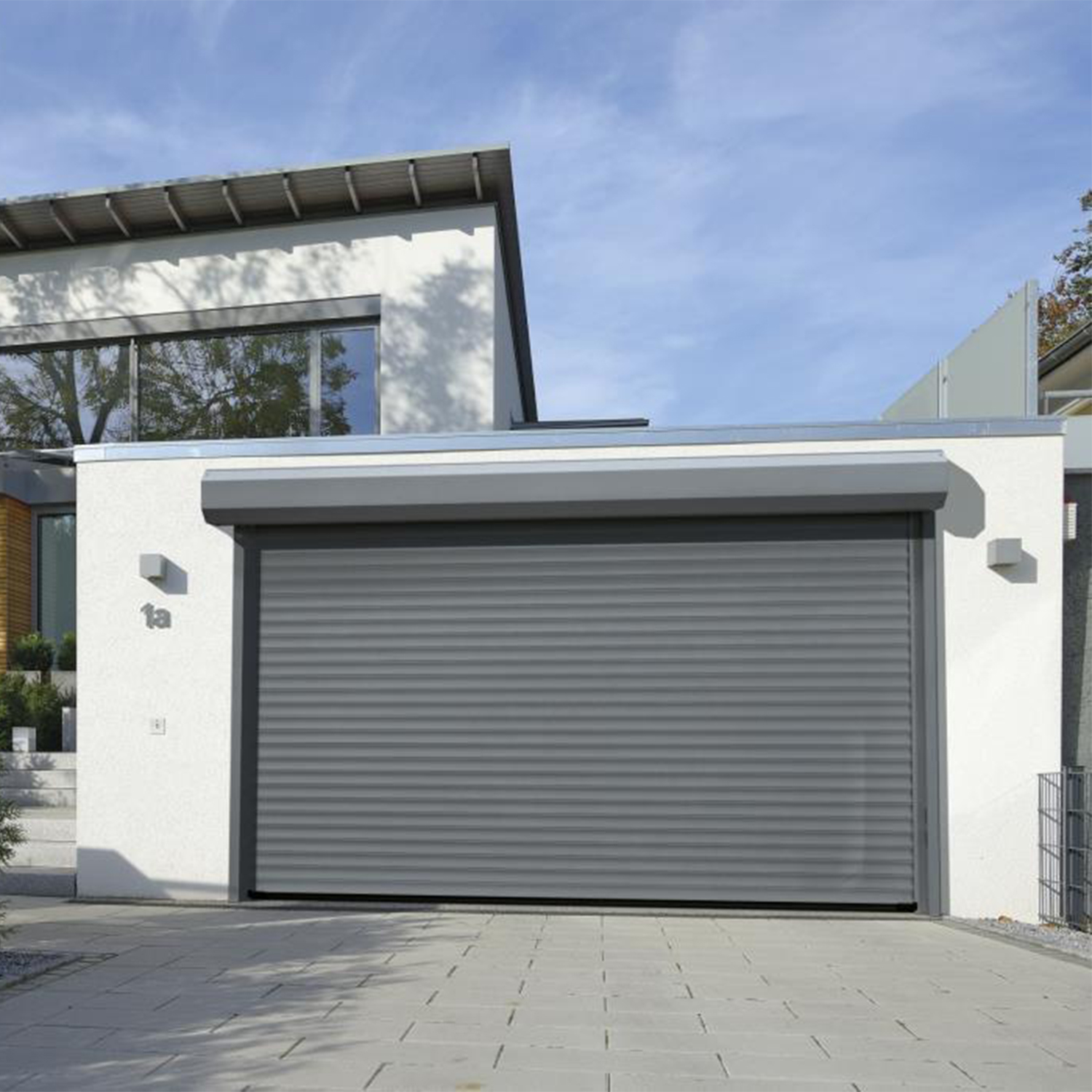
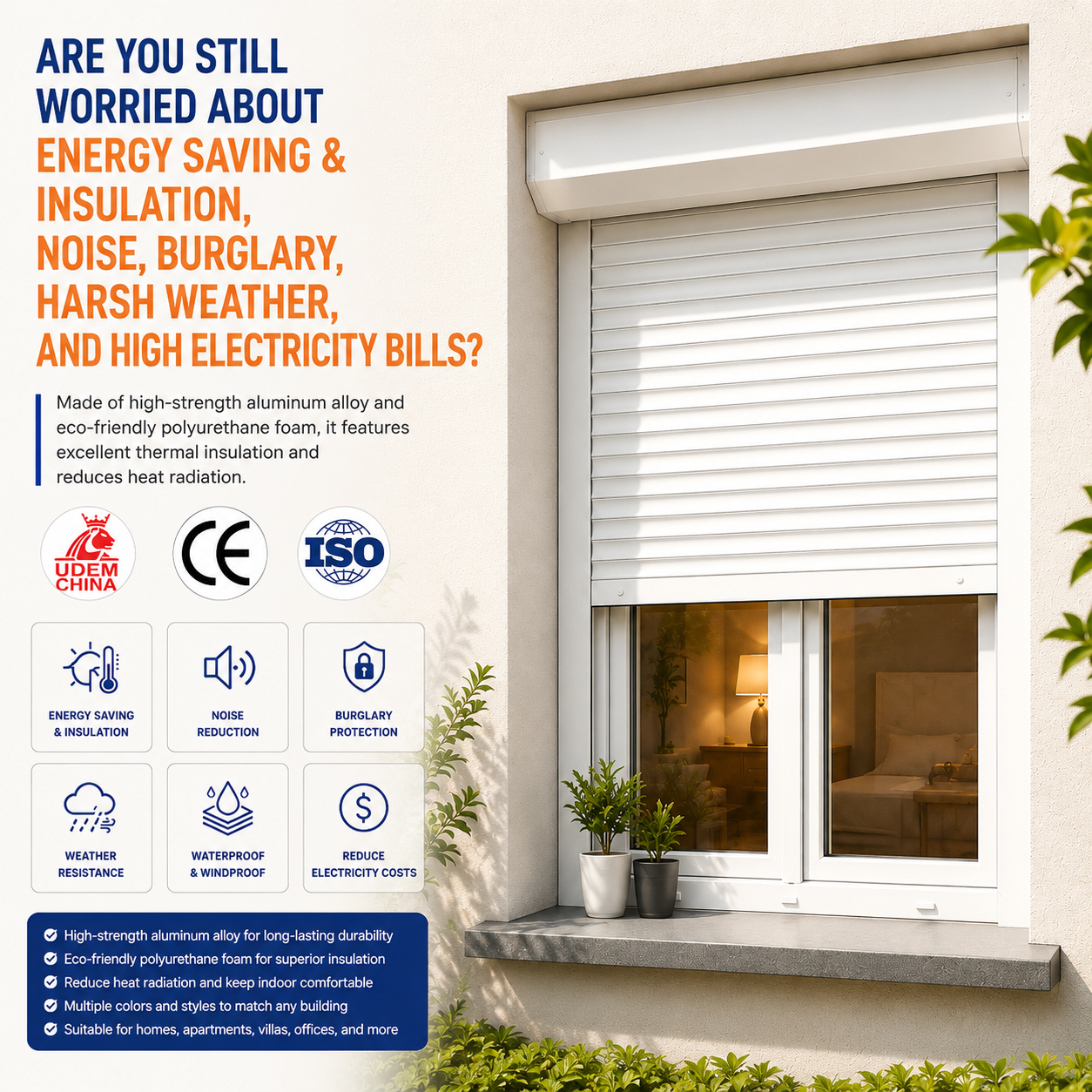
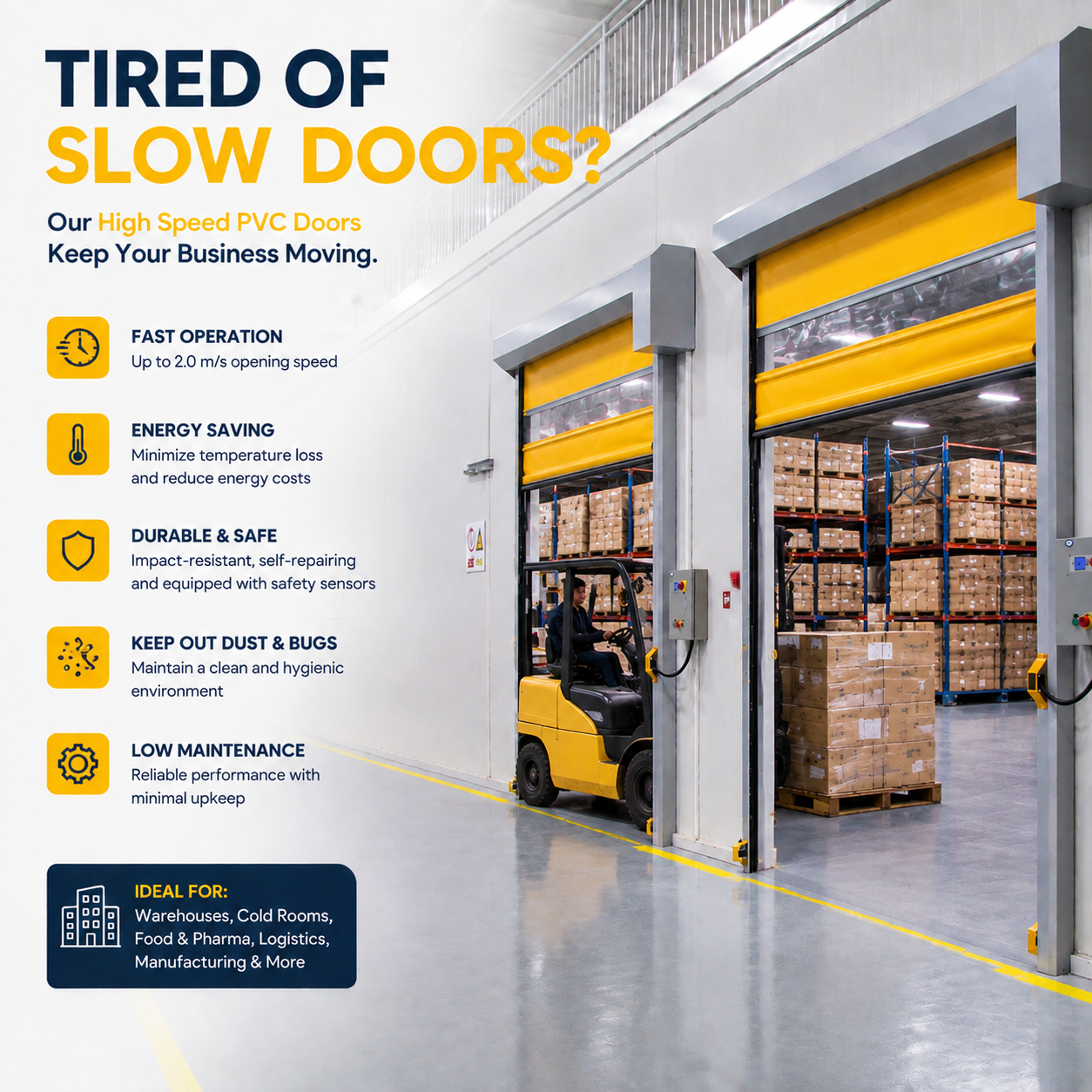
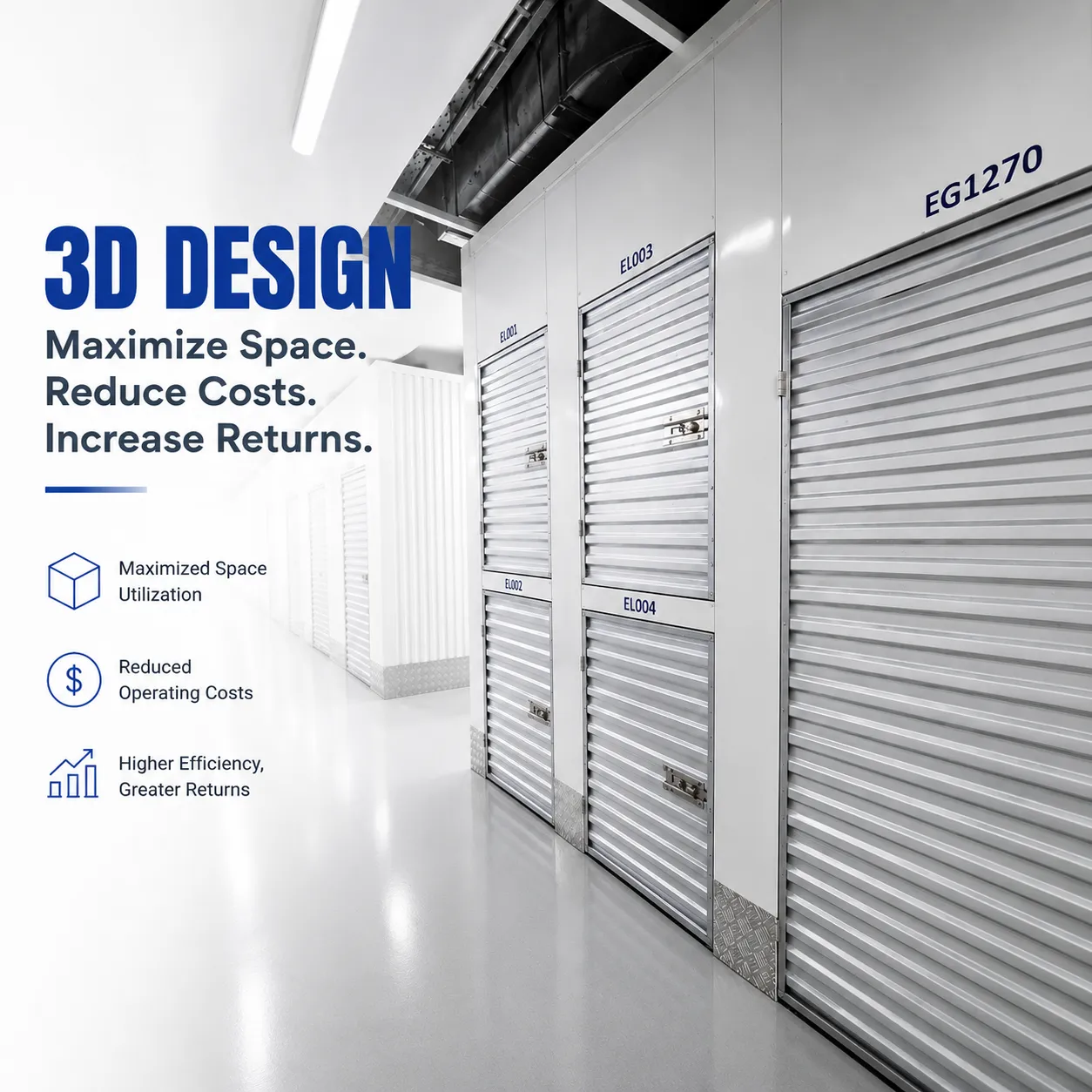
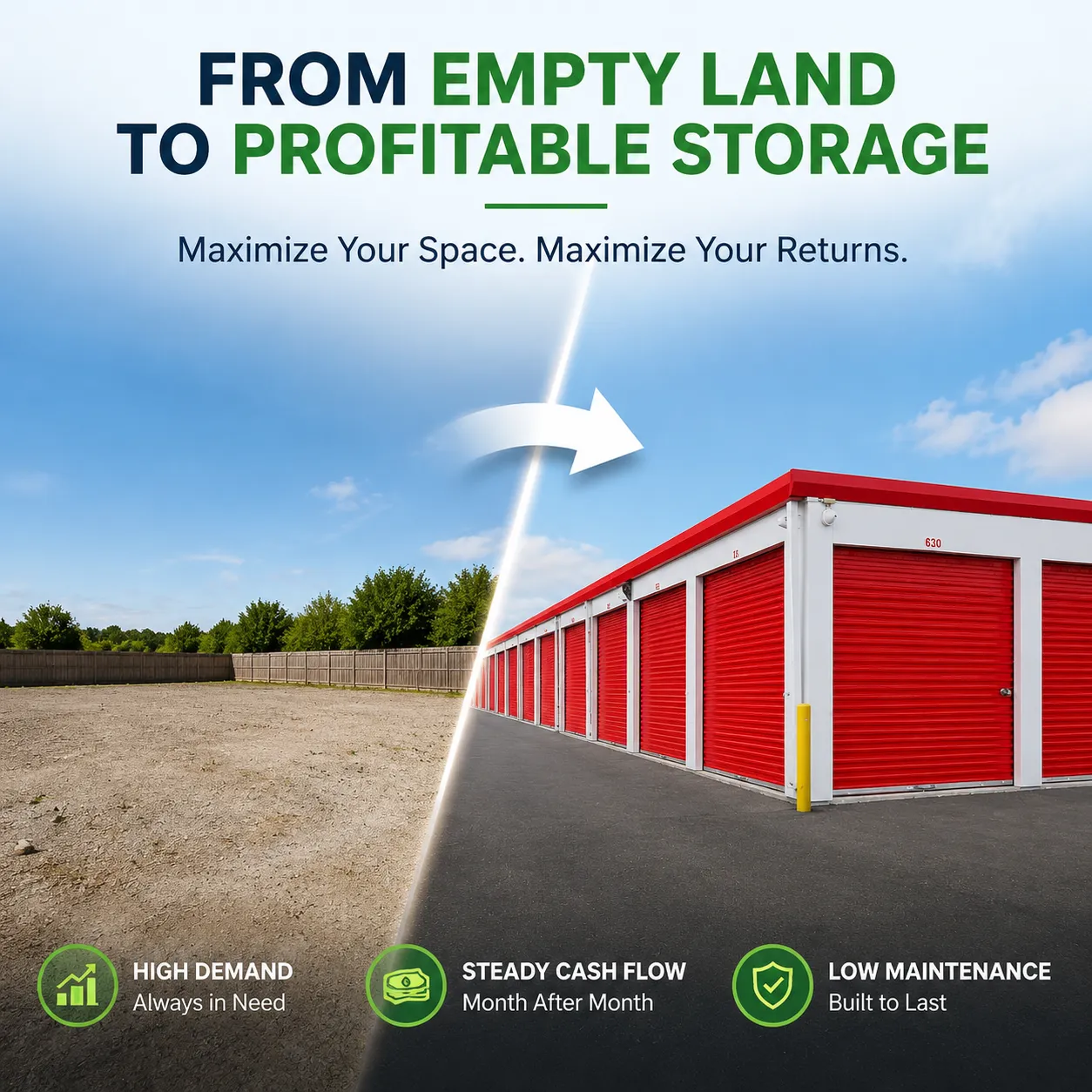
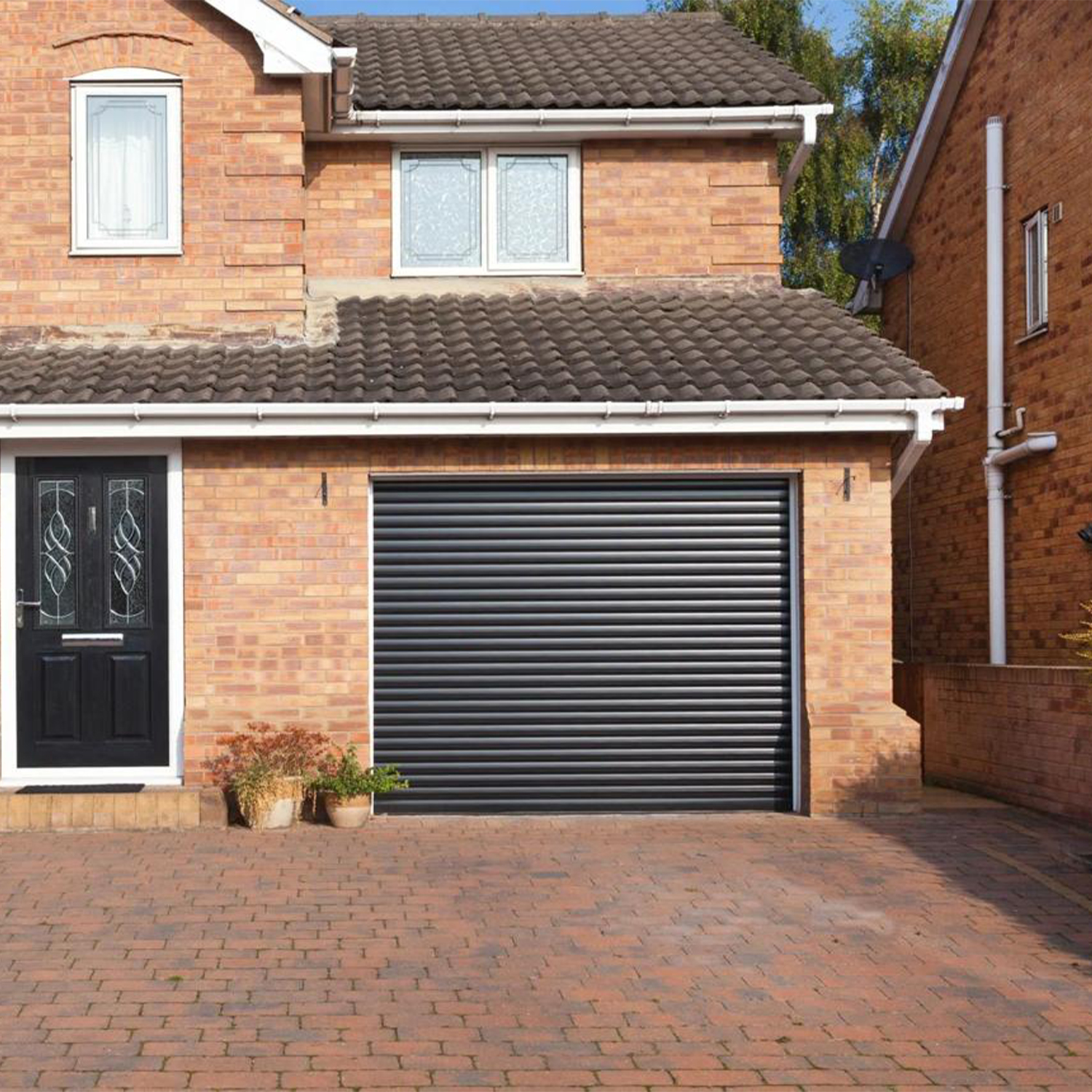
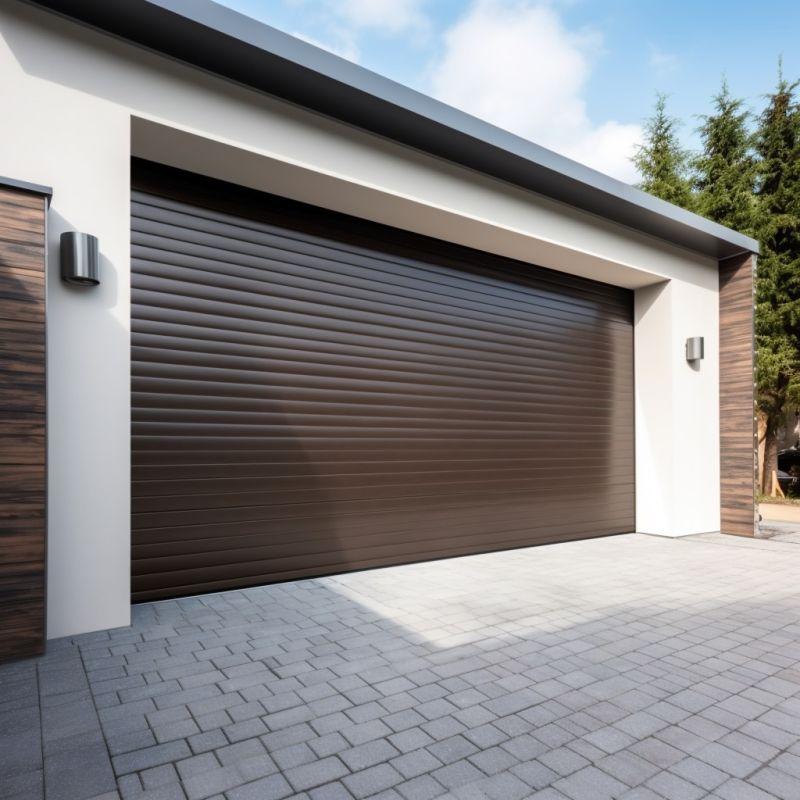
Roller shutter garage doors are one of the most space-efficient and secure door types available for buildings that need reliable daily access. Unlike swing or sectional doors that project outward or fold into ceiling tracks, roller shutter garage doors rise vertically and coil into a compact barrel above the opening. This simple motion makes them suitable for sites with limited driveway depth, busy loading areas, and internal corridors where clearance is tight. The curtain is made from interlocking steel slats, each formed with a hook and a socket so adjacent slats connect without gaps. When the roller shutter garage door closes, the curtain sits inside guide rails on both sides, and the bottom slat meets the floor or a seal, creating a barrier against intrusion, weather, and dust. When it opens, the curtain rolls around a drum or axle supported by brackets, driven by a chain hoist, spring balance, or electric motor. Understanding slat profiles helps buyers select the right roller shutter garage door. Solid slats provide maximum security and privacy; perforated slats allow airflow and visibility; louvered or punched slats balance ventilation with screening; and insulated slats contain foam or other fill to reduce heat transfer and noise. For residential driveways, a lighter profile with a quiet electric motor is often enough. For warehouses and industrial facilities, thicker slats, reinforced guide rails, and higher-duty motors support frequent cycles and larger openings. For self storage operators, roller shutter garage doors can be standardized in a compact size with individual locks, or supplied as part of a modular corridor system for indoor units. Automation is a major decision point. Manual roller shutter garage doors use a chain hoist or hand crank and suit low-frequency use, remote locations, or sites without stable power. Electric roller shutter garage doors use a tubular or chain-drive motor with wall switch, remote control, or smart control, and can include photo-eye sensors, obstacle detection, and emergency manual release. In commercial buildings, connecting roller shutter garage doors to access control systems helps track entries and manage after-hours use. In industrial settings, interlocking logic can prevent two roller shutter garage doors from opening at once in a shared bay, improving safety and airflow management. Climate and installation location also matter. Coastal areas require corrosion-resistant coatings; cold regions benefit from insulated slats and sealed guides; hot, dusty climates need ventilation options and protection for motors. Correct sizing, level guide rails, and proper anchoring are essential, because misaligned roller shutter garage doors wear faster and become noisy. Our engineering team reviews each project to recommend slat type, motor capacity, and control method, and our 20 years of manufacturing experience helps us identify issues before they reach the site. Whether you need one roller shutter garage door for a home workshop or hundreds for a self storage development, the principles remain the same: strong materials, precise assembly, correct installation, and planned maintenance. For global customers, documentation, voltage, and packaging are also important. We prepare roller shutter garage doors for export with protective wrapping, clear labeling, and technical files that help local installers work efficiently. By integrating design, manufacturing, quality control, and sales, we keep roller shutter garage doors consistent from the first drawing to the final shipment, helping commercial buildings, warehouses, self storage operators, and industrial facilities improve space utilization and operational efficiency.

 EN
EN