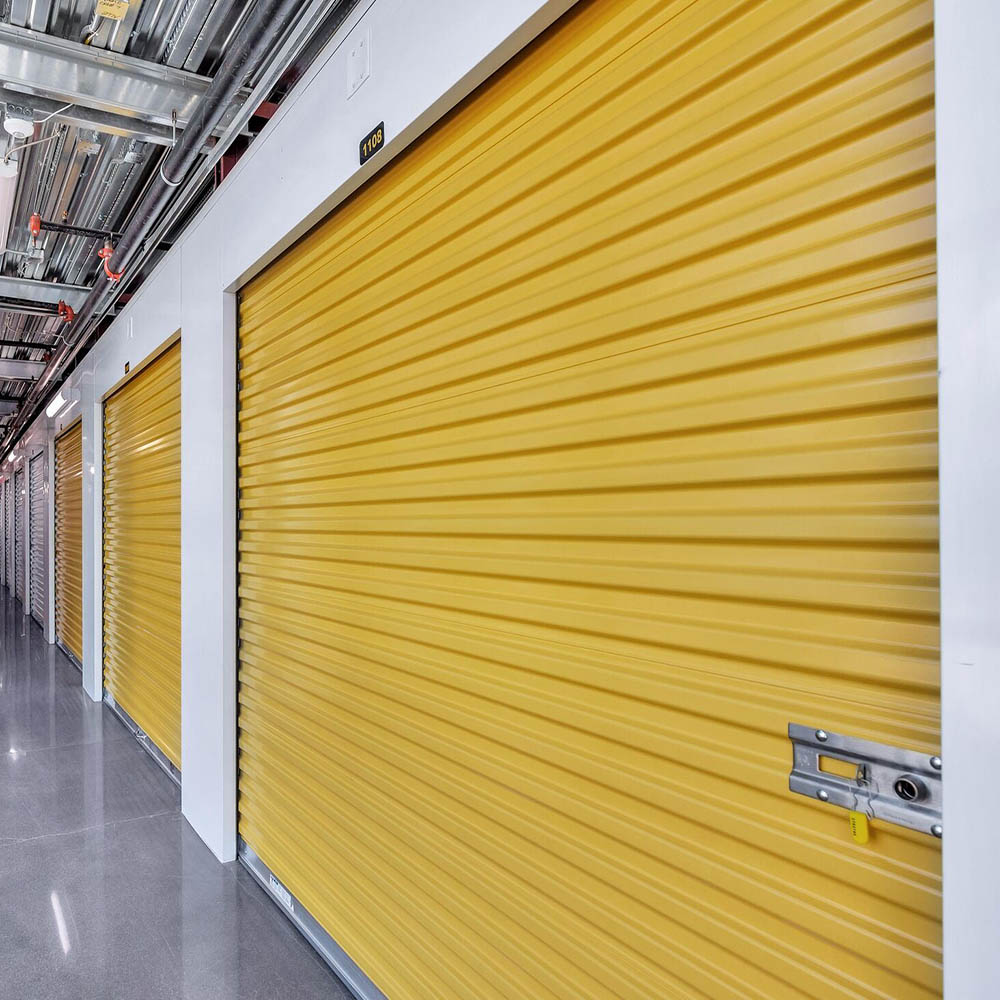
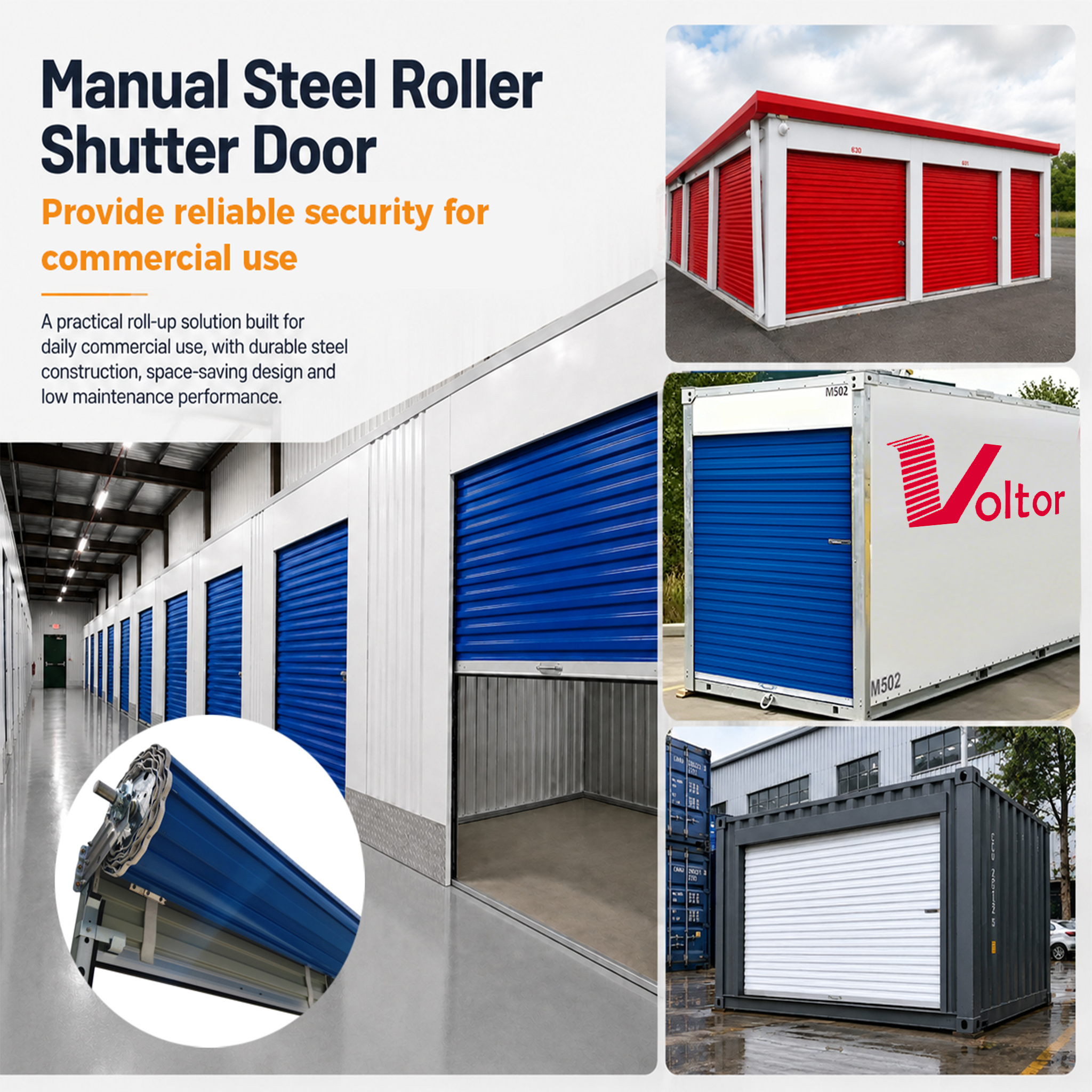
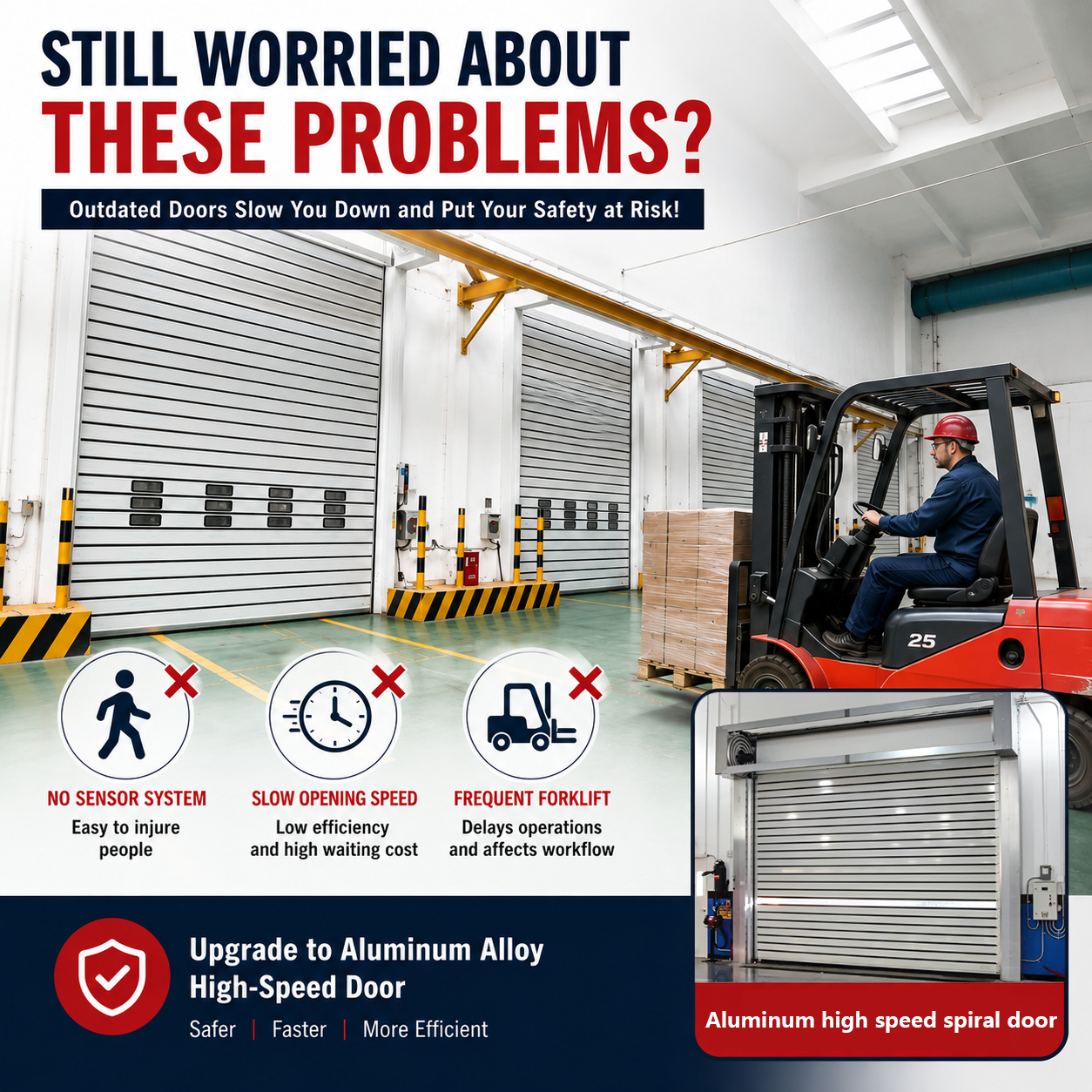
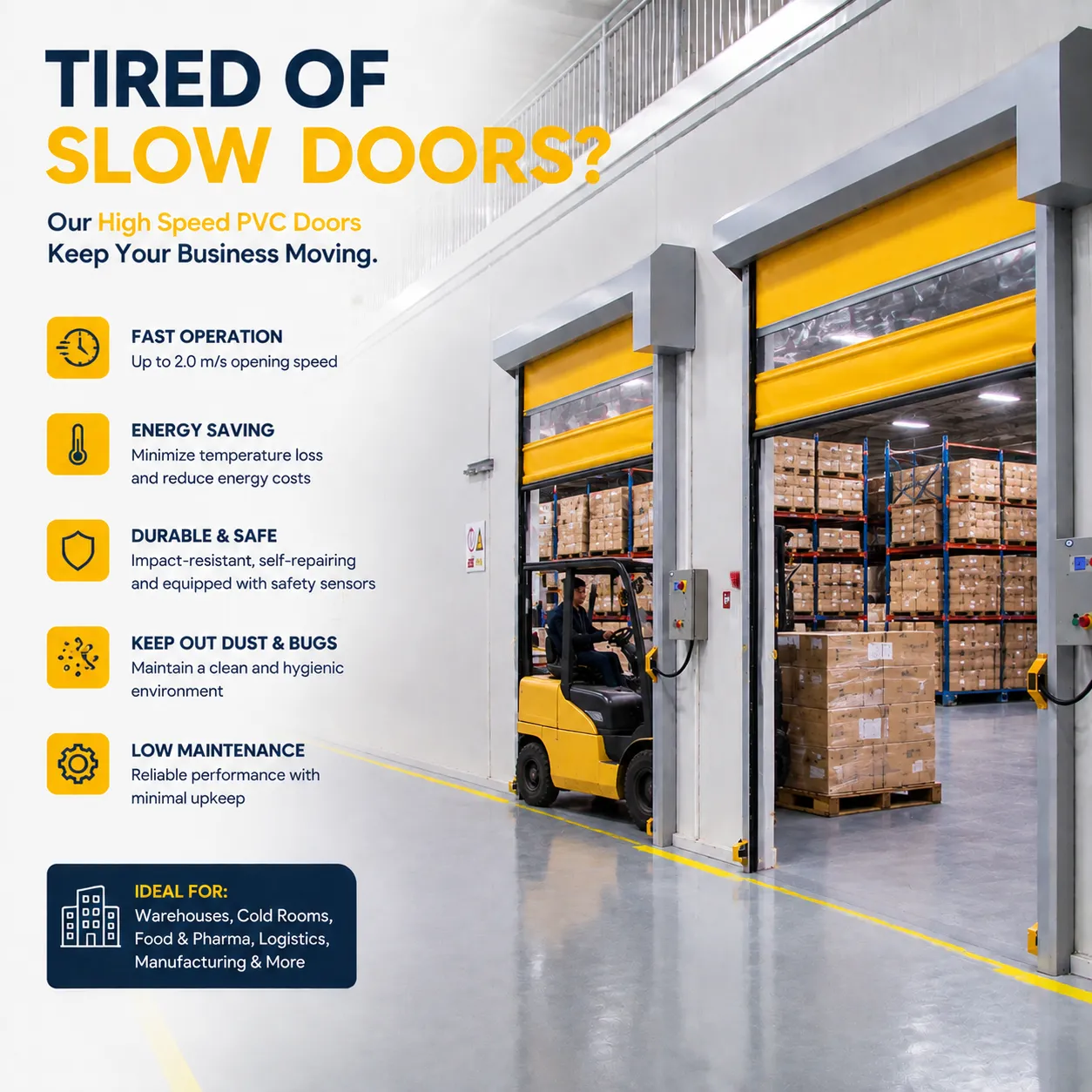
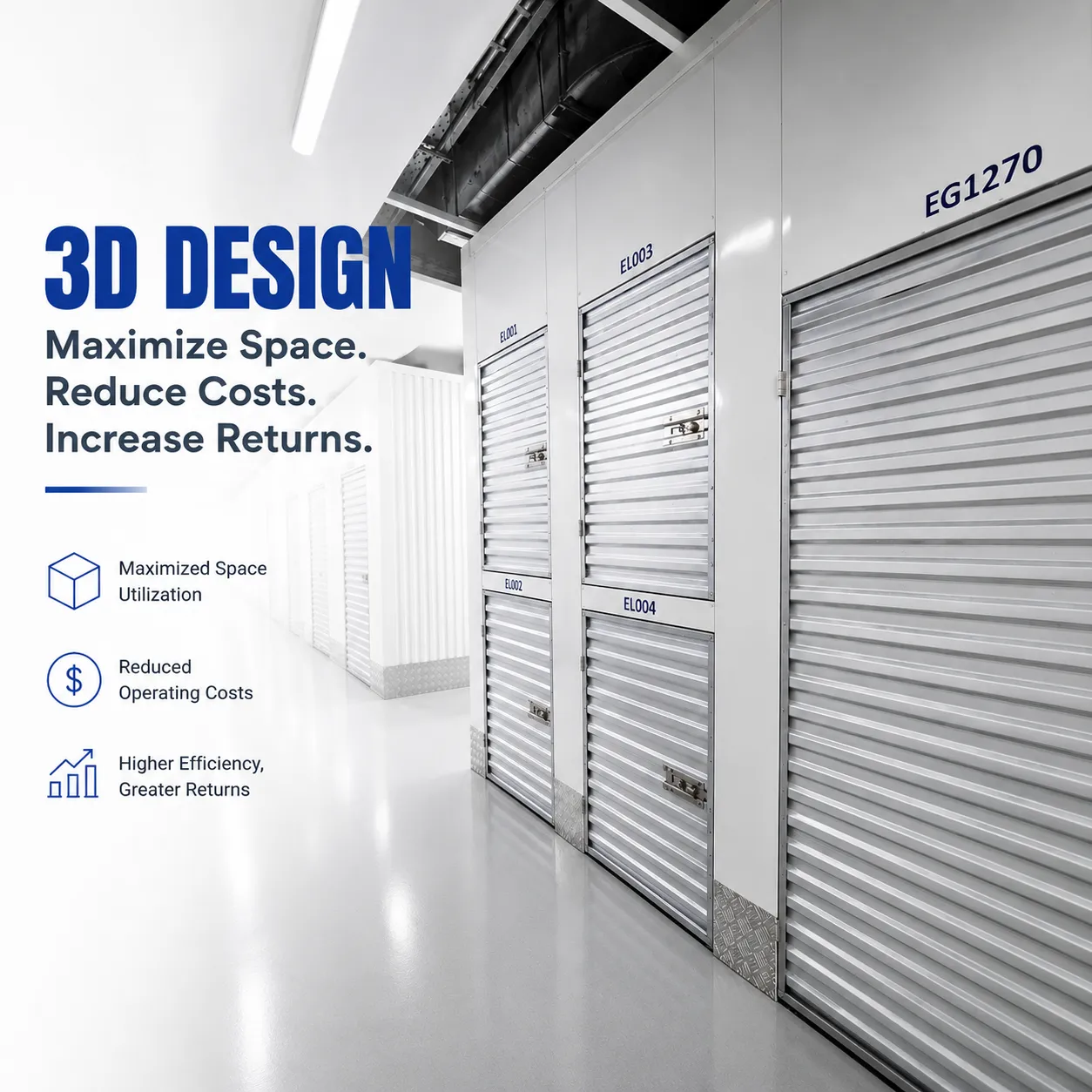
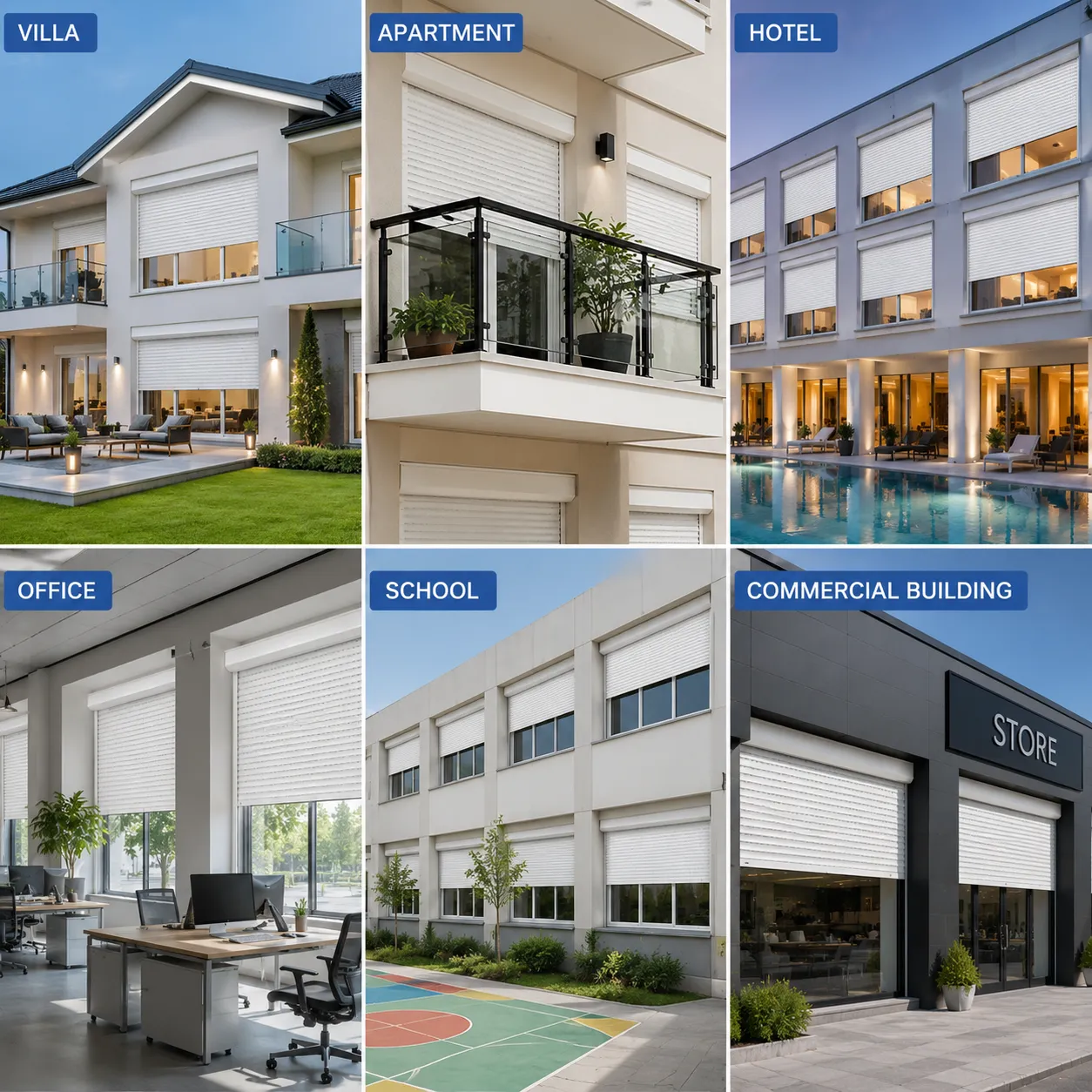
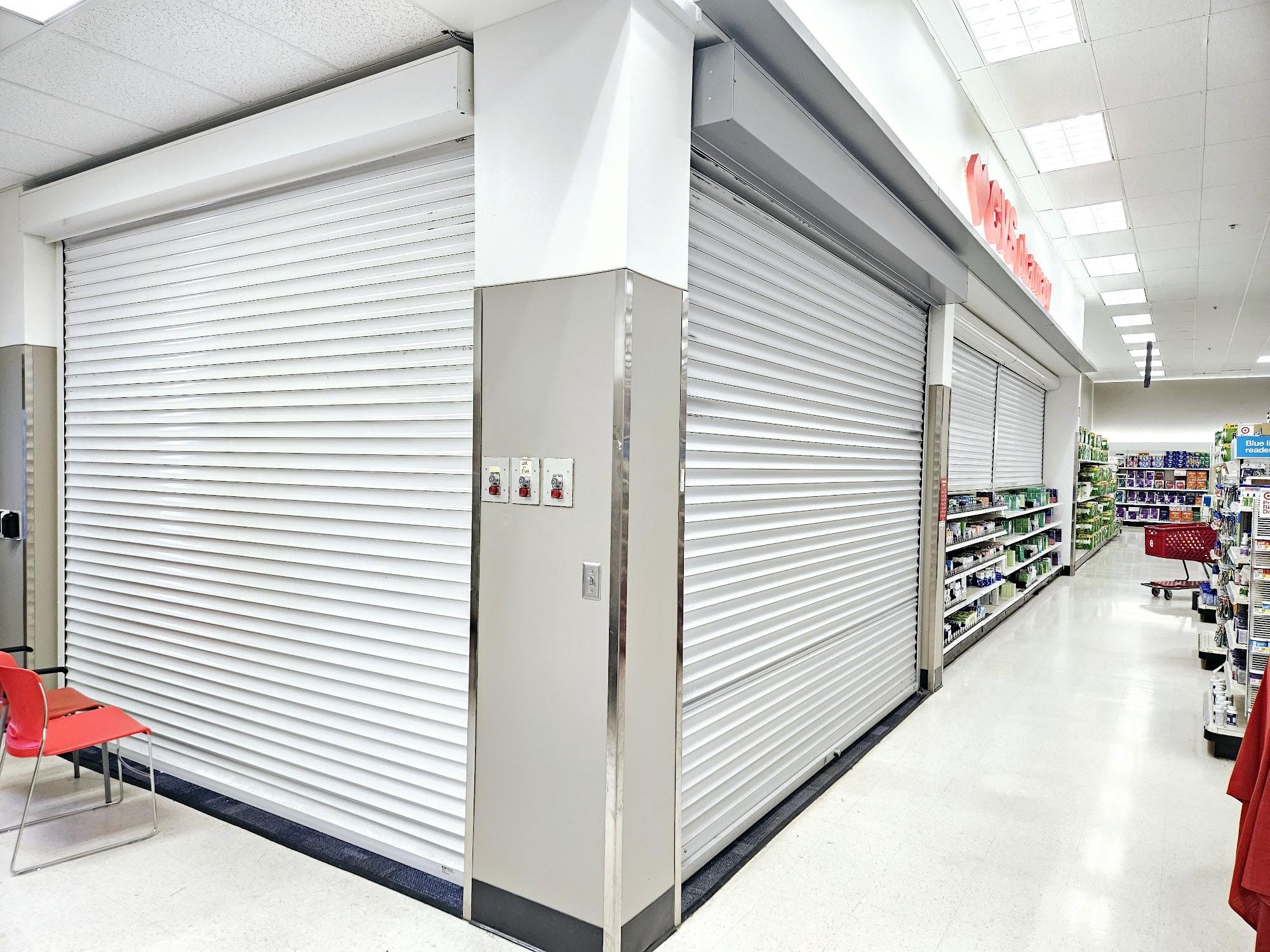
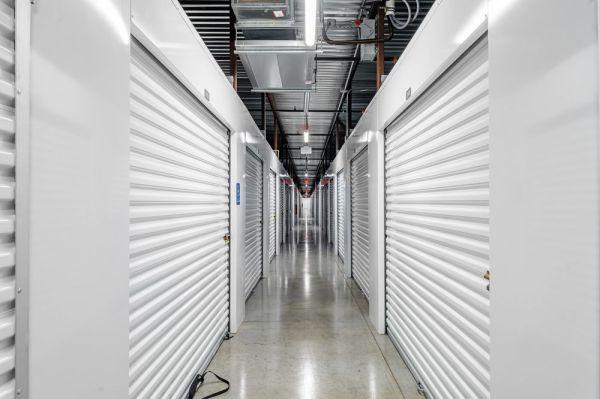
Specifying internal roller shutter doors correctly begins with understanding how they differ from external shutters and why those differences matter for indoor performance. External roller shutter doors are engineered primarily to resist weather: wind load, rain penetration, and thermal movement. Internal roller shutter doors, by contrast, are optimized for dimensional fit, quiet movement, and visual integration with interior finishes. This distinction influences nearly every component, from slat thickness and guide rail design to motor selection and control strategy. When architects, contractors, and facility owners understand these factors, they can avoid costly retrofit problems and achieve a door system that performs reliably for decades. The first consideration is clear opening and headroom. In many buildings, the space above an internal doorway is occupied by ductwork, cable trays, or structural beams. A compact coiling assembly allows internal roller shutter doors to fit into these constrained zones. Our engineers calculate the coil diameter based on curtain height, slat profile, and required number of wraps, then position the barrel so that the curtain clears the lintel without rubbing. Side room for guide rails is equally important; narrow rails let internal roller shutter doors sit flush with corridor walls, which is essential in self storage layouts where corridor width is standardized and every door must align with a modular panel grid. The second consideration is security level. Internal roller shutter doors are often the last line of defense for valuable inventory, tenant goods, or confidential records. Slat interlock design, end lock riveting, and guide rail depth all contribute to resistance against prying and lifting. For high-security zones, we recommend reinforced slats, additional lock points, and motorized locking that engages automatically when the door closes. For self storage operators, individual unit doors must also be easy for tenants to operate; a smooth manual chain or a simple key fob electric system reduces support calls and improves the tenant experience. The third consideration is operational environment. Indoor spaces may be climate-controlled, dusty, humid, or washdown areas. Internal roller shutter doors can be finished with galvanized coatings for general use, powder coating for color matching, or stainless steel components for corrosive environments. Ventilation slats can be incorporated when airflow is required, and acoustic infill options help reduce noise transfer between zones. In food processing or pharmaceutical facilities, smooth surfaces and easy-clean profiles support hygiene programs. The fourth consideration is control and integration. Modern facilities increasingly expect internal roller shutter doors to connect with access control, fire alarm, and building management systems. Electric motors with limit switches, safety edges, and battery backup can be configured to open automatically on alarm signals, while manual override ensures operation during power interruptions. For multi-door self storage corridors, centralized control panels allow staff to monitor door status and respond quickly to incidents. In warehouses, loop detectors and radar sensors enable hands-free operation for forklift traffic, improving throughput and safety. Finally, total cost of ownership should guide the selection of internal roller shutter doors. A lower-priced door that requires frequent spring replacement, slat straightening, or motor repair quickly becomes expensive. Durable materials, precise manufacturing tolerances, and accessible service points reduce maintenance labor and downtime. Our 20 years of manufacturing experience, combined with strict quality control and global project experience across North America, Europe, Australia, and the Middle East, allow us to help clients specify internal roller shutter doors that deliver dependable performance and a professional interior appearance for many years.

 EN
EN