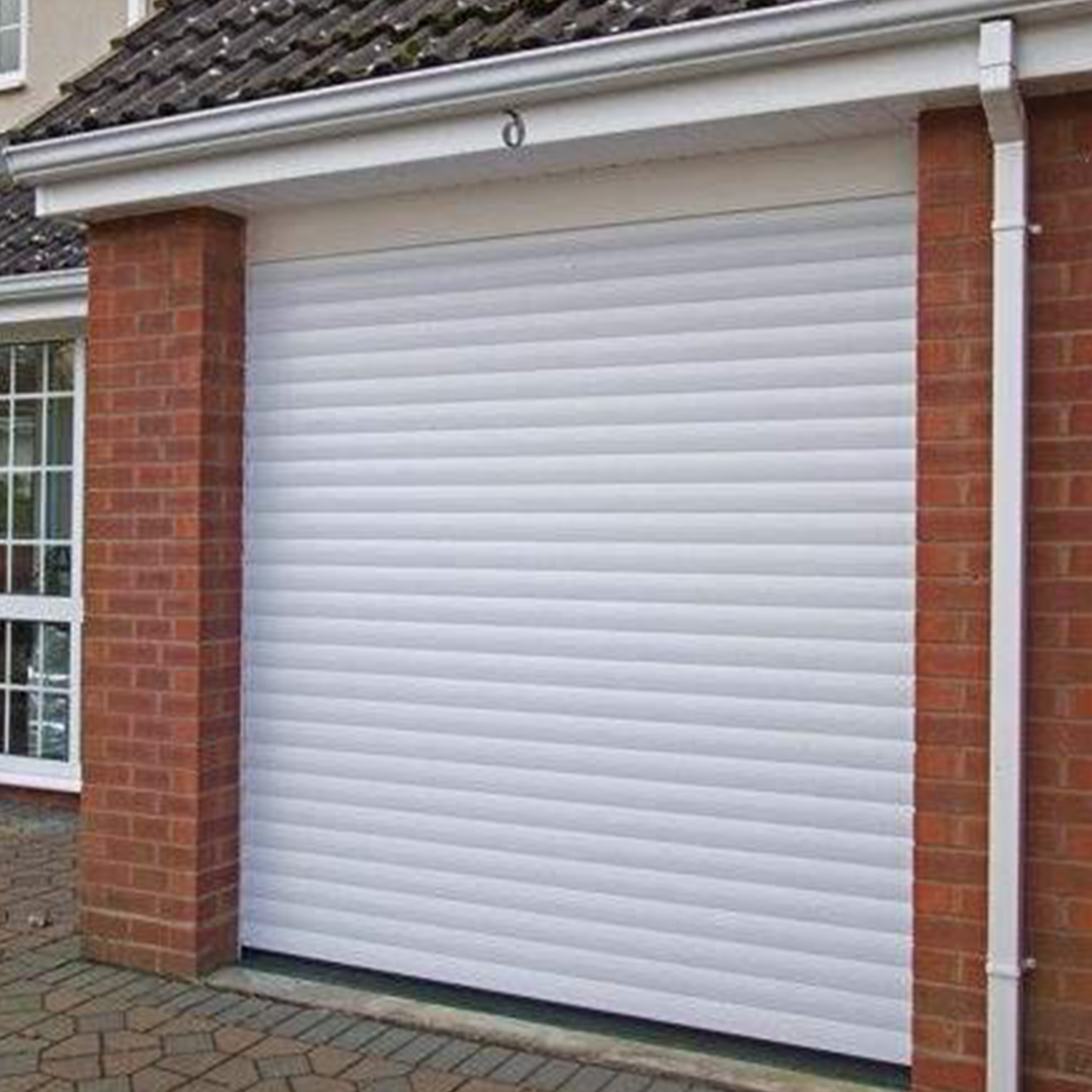
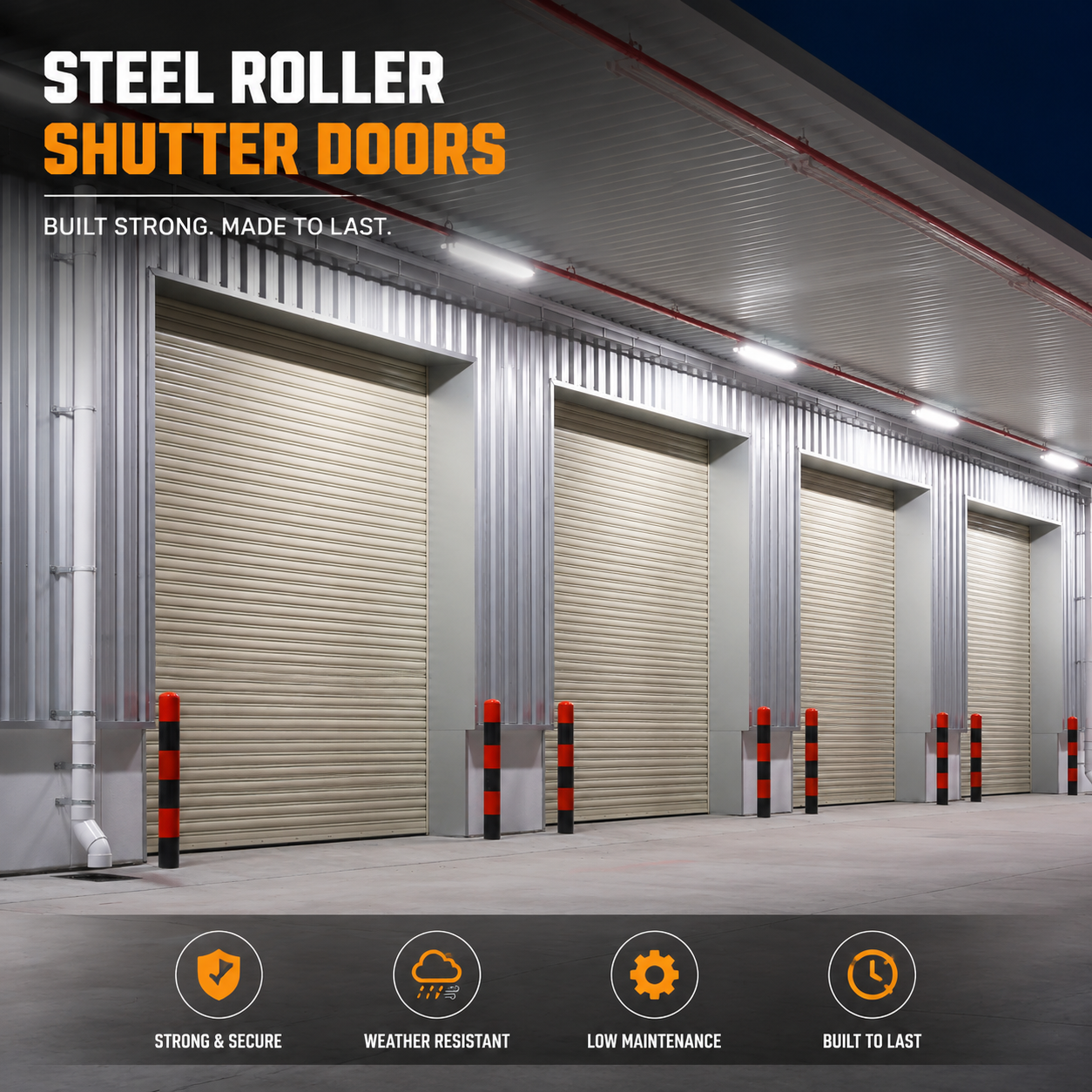
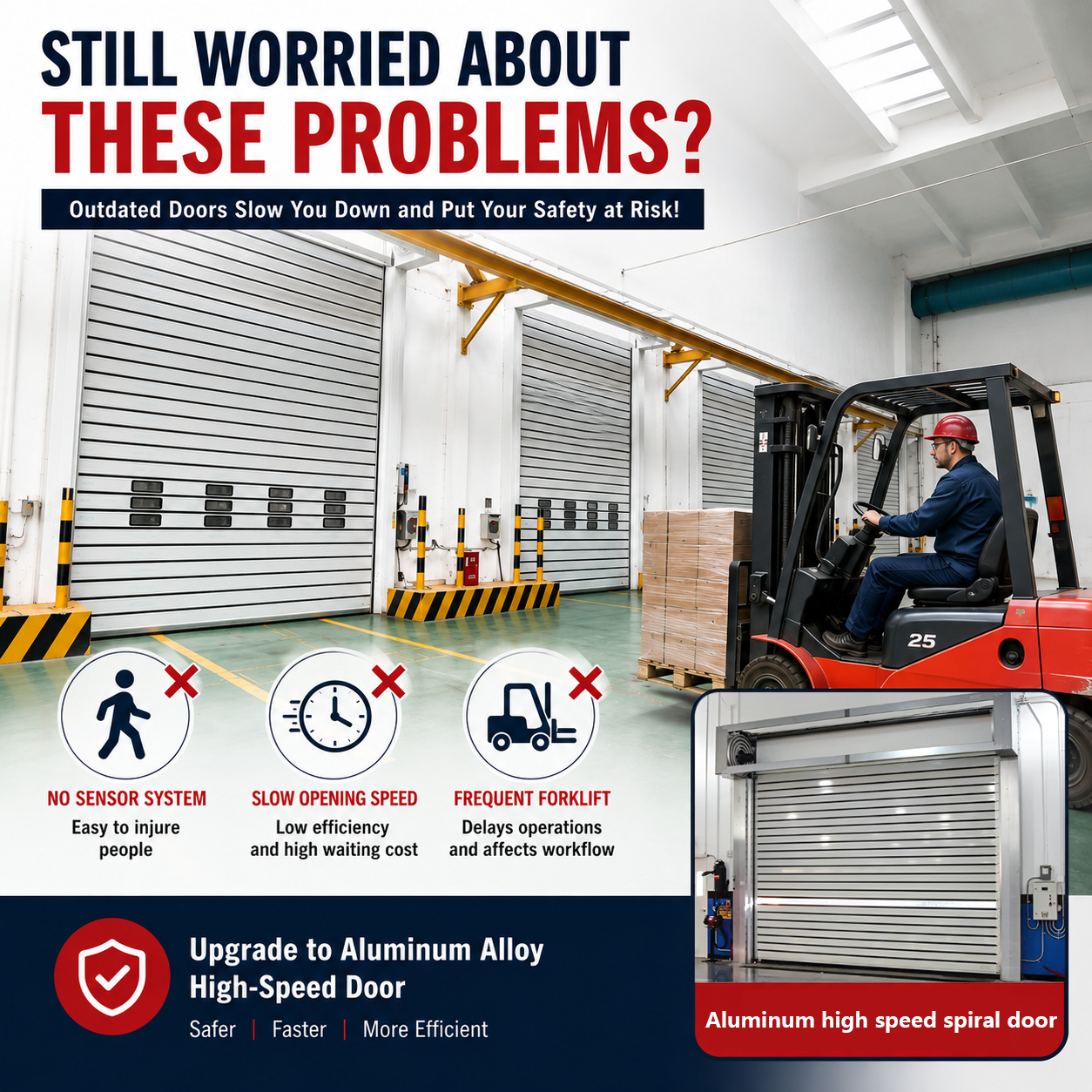
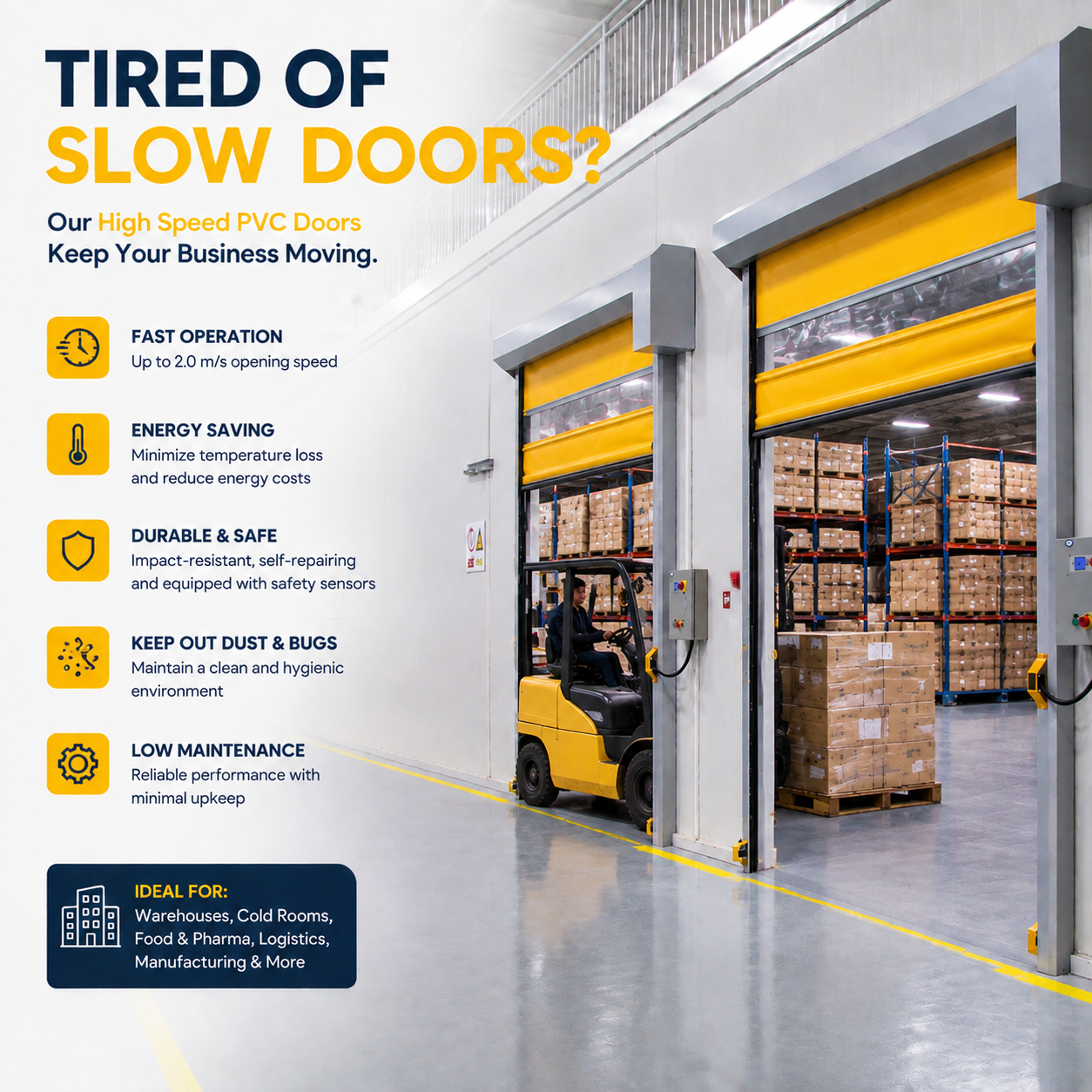
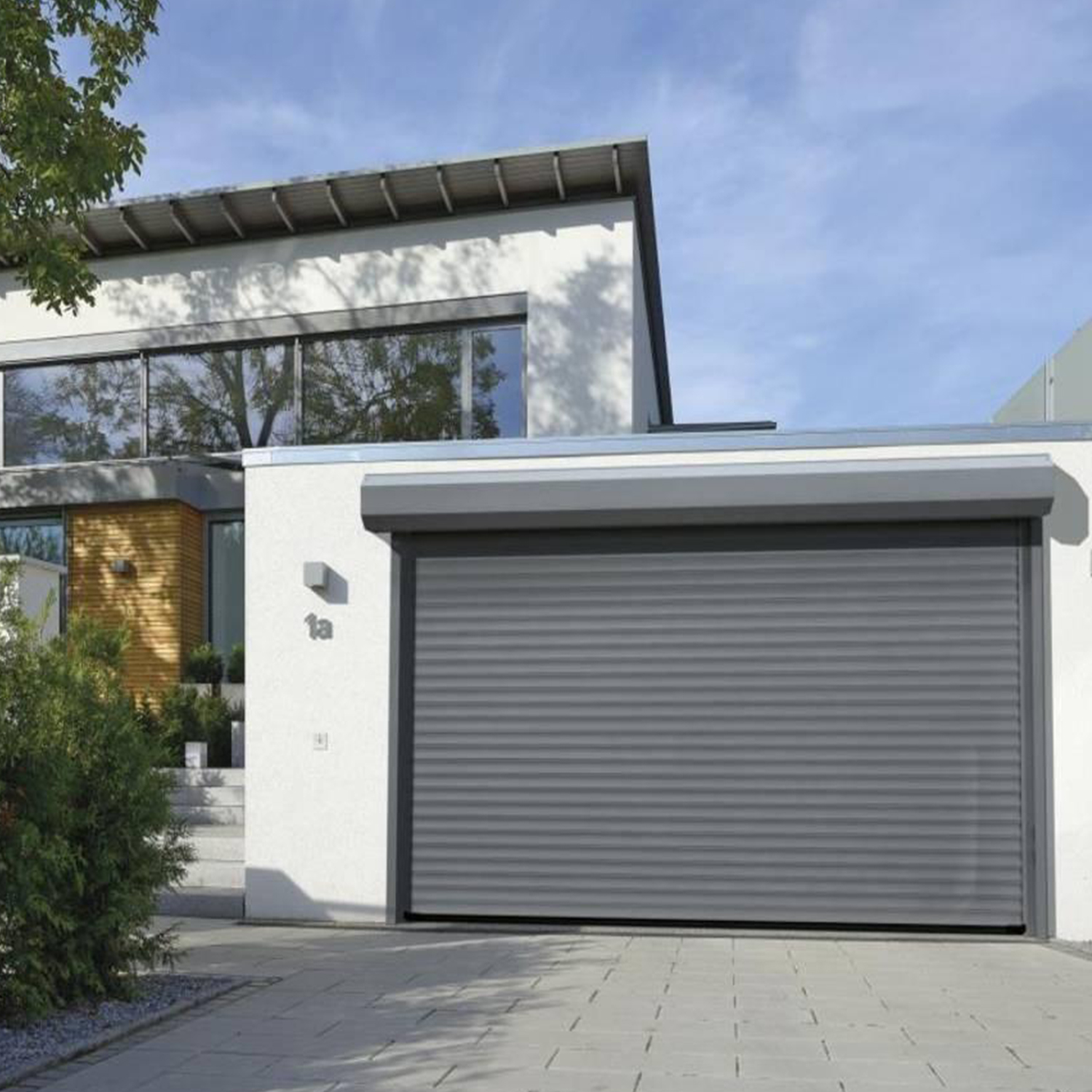
Electric roll up garage doors have become a standard choice for facilities that need fast, secure and space-efficient access control. Understanding how they work and what to consider can help you select the right system for your project. At its core, an electric roll up garage door consists of a steel curtain made of interlocking slats, two vertical guide rails, a top drum or barrel, a shaft with springs or a direct-drive mechanism, and an electric motor with a control unit. When activated, the motor rotates the drum, and the curtain rolls up or unrolls along the guides. Because the curtain coils above the opening, the door does not need ceiling tracks that extend deep into the building, which is a major advantage in low-clearance areas or busy loading zones. When choosing an electric roll up garage door, the first step is to define your usage pattern. High-frequency doors—such as those at distribution centers or self storage entrances—require motors rated for intensive operation, often with inverter control for soft start and stop. Low-frequency doors, such as a workshop side entrance, can use simpler and more economical motor options. Next, consider the environment. In coastal or humid regions, hot-dip galvanized or high-quality powder coating is essential to resist corrosion. In cold climates, insulation reduces heat loss and prevents the door from freezing or becoming stiff. In dusty or sandy areas, tighter slat profiles and brush seals help keep out debris. Safety is non-negotiable. Modern electric roll up garage doors should include obstacle detection that reverses the door if it meets resistance, as well as optional light curtains or infrared sensors for added protection. Emergency manual release allows operation during power outages, which is critical for fire safety and business continuity. Control integration is another key factor. Many clients want to link their electric roll up garage doors to access control systems, license plate recognition or remote monitoring platforms. Our engineers can advise on wiring, signal interfaces and power requirements to ensure smooth integration. Installation quality strongly affects performance and lifespan. The opening must be measured precisely, the guide rails must be plumb and securely anchored, and the drum and motor must be correctly aligned. Proper tension and balance reduce motor load and noise. Regular maintenance—lubricating moving parts, checking fasteners and testing safety devices—keeps the door operating smoothly for years. For multi-site operators, standardizing on a proven electric roll up garage door model simplifies training, spare parts and service contracts. With 20 years of manufacturing experience, we help customers worldwide specify the right electric roll up garage doors for their climate, traffic volume, security needs and budget, ensuring reliable performance and long-term value.
Copyright © 2026 By Qingdao Voltor Door Industry Technology Manufacturing Co., Ltd. - Privacy policy