
 EN
EN
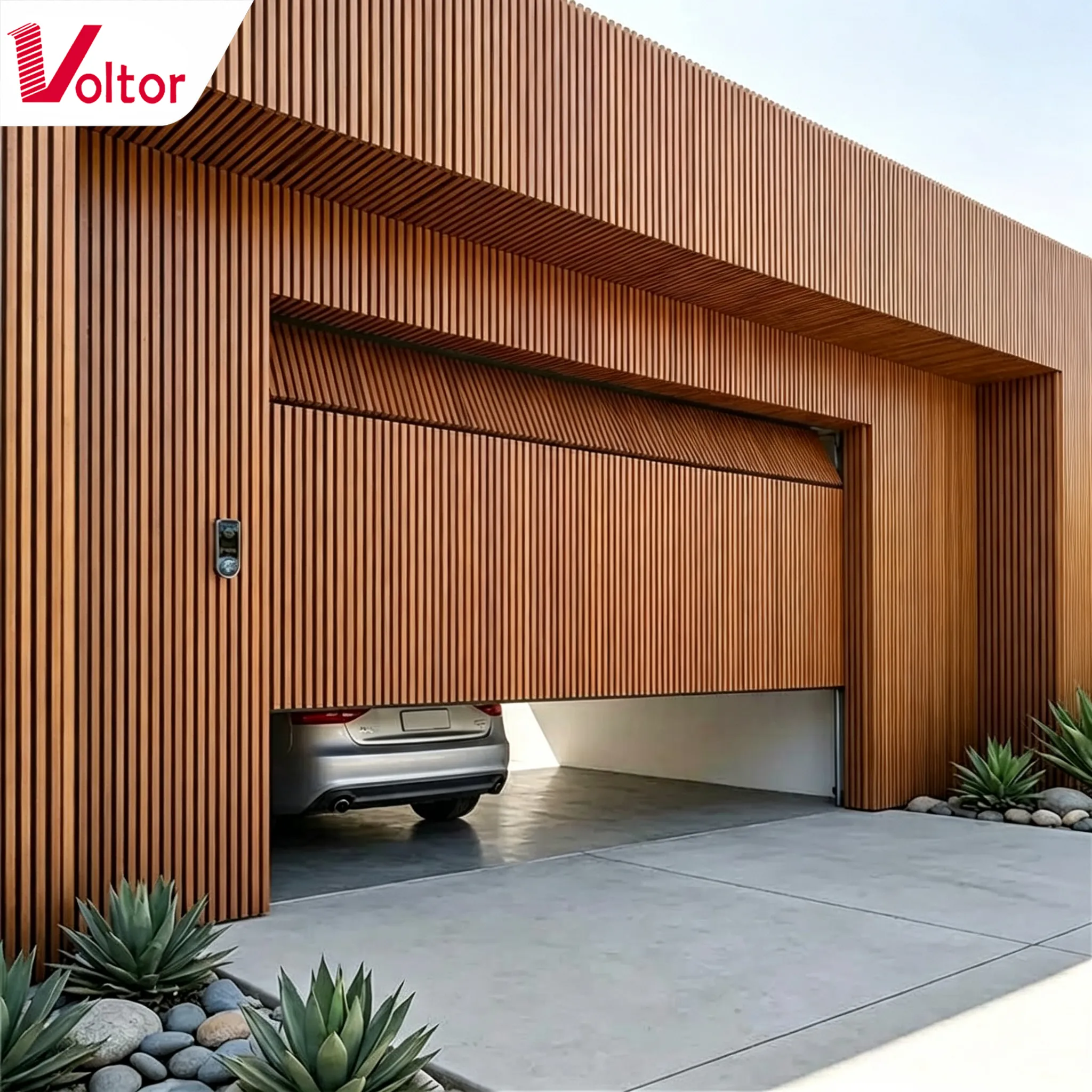
A 16x8 garage door spans 16 feet wide and 8 feet tall, a common opening for two-car garages and light commercial bays. Headroom is the clear vertical distance from the top of the finished opening to the lowest point of the ceiling or any obstruction. Getting this measurement right before ordering panels and hardware prevents costly rework on site and keeps the project on schedule.
Understanding Headroom Categories
Standard 12-Inch Headroom Track
The 16x8 garage door with a standard lift uses a horizontal track that runs straight back from the header before curving into the ceiling. Most manufacturers design the standard configuration around 12 inches of headroom, which leaves room for the torsion shaft, the curve radius, and the operator rail. A 12-inch clearance suits new construction where the slab and ceiling framing leave a generous plenum above the opening. When headroom matches the standard envelope, the sectional panels travel with minimal friction and the hardware aligns without special brackets. Confirm the exact curve radius before ordering, because a tighter radius can reduce the nominal clearance and change the bracket package.
Low-Headroom Rear-Mount Configuration
Older homes and retrofit bays often leave less than 12 inches above the opening. A low-headroom kit relocates the torsion spring and shaft toward the rear of the horizontal track using a rear-mount bracket. This arrangement keeps the spring assembly clear of the header while the cable drums still wind the lift cables. The rear-mount extension pushes the spring behind the first few panels, so the door can cycle in as little as 4.5 to 6 inches of headroom.
A retrofit project in a 1960s Chicago bungalow illustrates the point. The owner wanted to replace a swinging carriage door with a sectional unit but measured only 5.5 inches of headroom under a low basement ceiling. A standard lift was impossible. The installer specified a rear-mount torsion low-headroom kit and a side-mount opener, gaining enough clearance to cycle the panels. The finished door opened fully, passed the local inspection, and freed the ceiling for storage that the family had lacked for years.
Full Vertical-Lift and High-Lift Options
For a 16x8 garage door serving a workshop, full vertical-lift track sends the panels straight up the wall before turning at the ceiling. Vertical-lift needs extra side room beside the opening and a taller back wall, but it frees the entire ceiling plane for shelving or a car lift.
Track Geometry and Spring Types
Torsion Spring Placement and Shaft
On a 16x8 garage door, the standard torsion system keeps the shaft at the header, which is why 12 inches is the baseline. Torsion springs wrap around a metal shaft mounted above the door, storing energy as the door closes and returning it on the way up. The shaft, bearing plates, and center bracket occupy the first several inches of headroom directly above the opening.
Extension Spring Rear-Mount Setup
Many 16x8 garage door projects with lighter aluminum grille panels use extension springs, which run parallel to the horizontal track on both sides and stretch as the door descends. In a tight ceiling, a rear-mount extension kit relocates the spring tails and pulleys toward the back wall so the stretch does not collide with the header. This setup is common on lighter steel garage doors where a torsion conversion adds cost.
Opener Mounting and Ceiling Constraints
Ceiling Clearance for Operator and Rails
The garage opener hangs from the ceiling and drives the door through a rail or a jackshaft. A trolley operator needs roughly 3 to 4 inches of drop below the horizontal track, plus the rail length that runs back over the parking space. A low ceiling therefore removes the standard operator option and pushes the project toward a side-mount or wall-mount unit. Map obstructions such as ductwork, sprinkler lines, and beams during planning, because they share the same plenum as the track and operator. The photo-eyes near the header and the safety sensor beams at the floor remain required under UL 325 regardless of headroom class.
Side-Mount and Wall-Mount Alternatives
A side-mount opener bolts directly to the torsion shaft and eliminates the ceiling rail entirely, making it the natural choice when headroom is scarce but side space exists. Wall-mount and jackshaft units free the ceiling for storage and reduce the visual clutter in a finished garage. These operators still need the torsion shaft and bearing plates aligned, so the low-headroom bracket geometry still applies. The shaft length and operator torque must match the panel weight and insulation package, because a heavier anti-pinch insulated steel door needs more starting force than a single-layer unit and can strain an undersized motor.
Measuring and Planning the Install
Step-by-Step Measurement Before Ordering
Specifying a 16x8 garage door begins with measuring headroom from the top of the finished opening to the ceiling at the center and at both sides, because a sloped or out-of-square header changes the usable clearance. Record side room (the space between the opening and the wall) and back room (depth to the rear wall) for vertical-lift planning. Note every obstruction: beams, pipes, outlets, and the garage opener location. Match the measured clearance to a track class—standard, low-headroom rear-mount, or vertical-lift—before requesting a quote. Reference ANSI/DASMA guidance and the IRC framing rules, and confirm UL 325 reversing and safety sensor requirements with the installer so the finished door passes inspection on the first visit.
Proper planning turns headroom from a surprise into a spec. A 16x8 garage door performs reliably when the track class, spring type, and opener mount are chosen against the actual ceiling clearance rather than a guess. Measure carefully, match hardware to the obstruction map, and confirm standards with the installer. The result is a smooth-cycling sectional door that fits the space, passes inspection, and serves the building for years without structural compromise.
Frequently Asked Questions
Question
What is the minimum headroom for a standard 16x8 sectional door?
Answer: A standard 16x8 garage door requires about 12 inches of clear headroom above the finished opening for the torsion shaft, curve radius, and operator rail. Homes with 4.5 to 6 inches can use a low-headroom rear-mount kit, while tighter spaces need a side-mount opener. Measure at center and both sides before ordering, because a sloped header changes the usable clearance and the track class required for a safe, smooth installation.
Question
Why does a low-ceiling garage need a rear-mount bracket?
Answer: A rear-mount bracket relocates the torsion spring and shaft toward the back of the horizontal track so the assembly clears a shallow header. Without it, the spring and cable drum would collide with the ceiling before the door reaches full travel. The bracket keeps the lift geometry intact while shaving several inches off the required headroom. This is the usual fix for retrofits where raising the ceiling is impractical or too costly for the owner.
Question
How is a side-mount opener installed on a tight ceiling?
Answer: A side-mount opener bolts to the torsion shaft at the wall and removes the ceiling rail entirely, freeing the plenum for storage. Installation starts by confirming the shaft, bearing plates, and low-headroom bracket are aligned, then mounting the unit and connecting the emergency release. The photo-eyes and safety sensor beams are still required by UL 325. This approach suits wide openings where a trolley operator cannot fit below the horizontal track.
Question
Can a vertical-lift track fit a residential garage?
Answer: Vertical-lift track can fit a residential garage, provided the side room beside the opening and the back wall height allow the panels to rise straight up before turning. The configuration frees the full ceiling plane for shelving or a car lift, but it needs a stiffer C-channel and reinforced vertical track. Most homes choose high-lift instead, which lifts vertically for part of the travel then curves back to save side space.
Question
Which spring type suits a low-headroom conversion?
Answer: A torsion spring with a rear-mount bracket is the preferred choice for low-headroom conversions because it keeps the shaft aligned and balances the door smoothly. Extension springs with a rear-mount kit work on lighter steel or aluminum grille units and cost less, though they leave more exposed hardware. Either path changes the clearance the top panel and opener need. Spring sizing by cycle life and wire gauge keeps the system balanced and reduces cable wear.