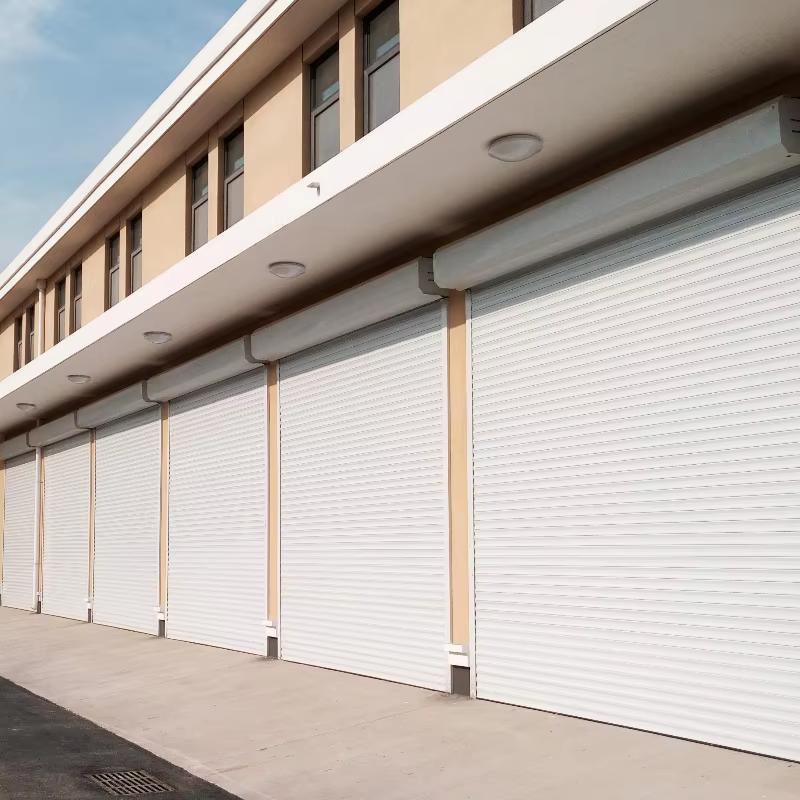
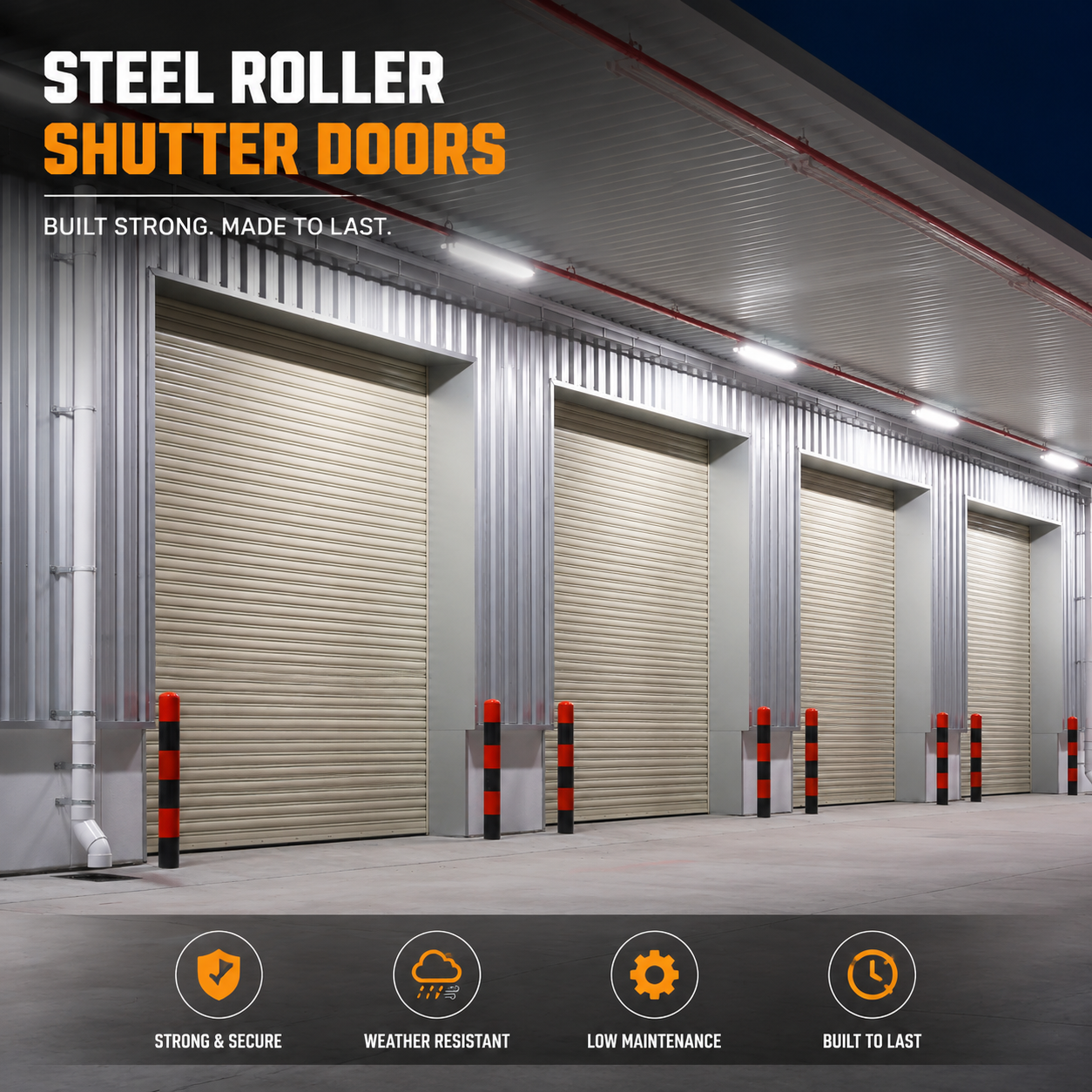
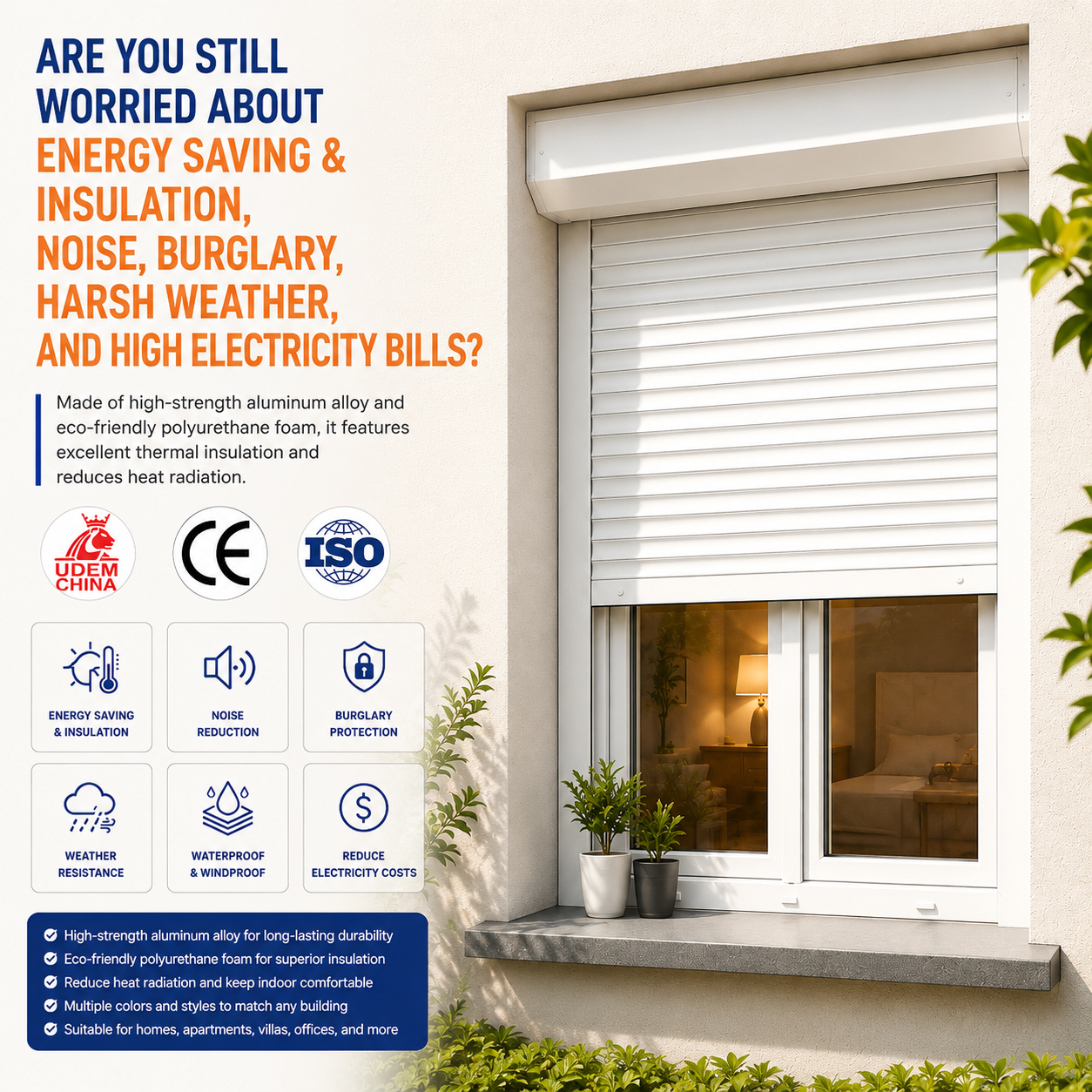
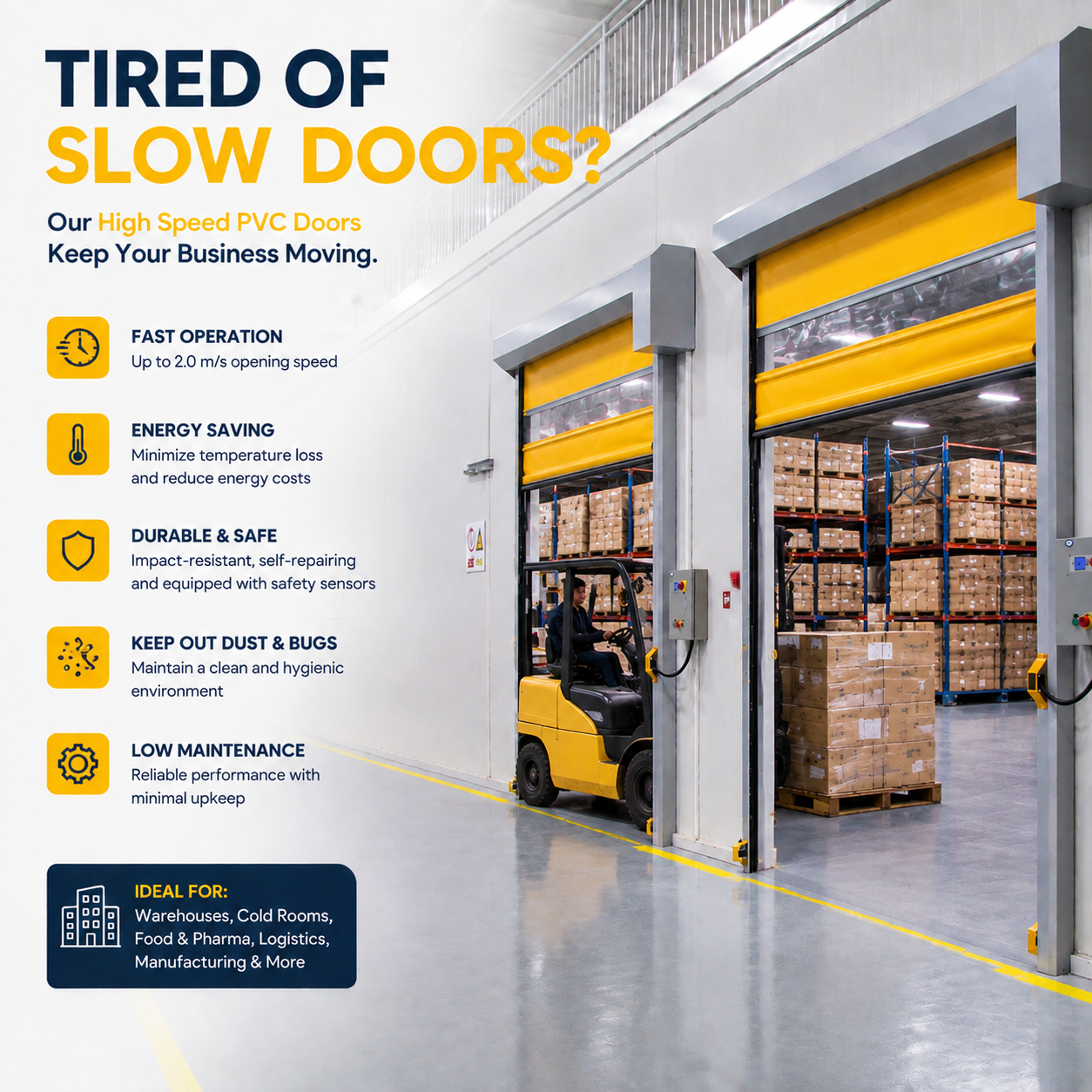
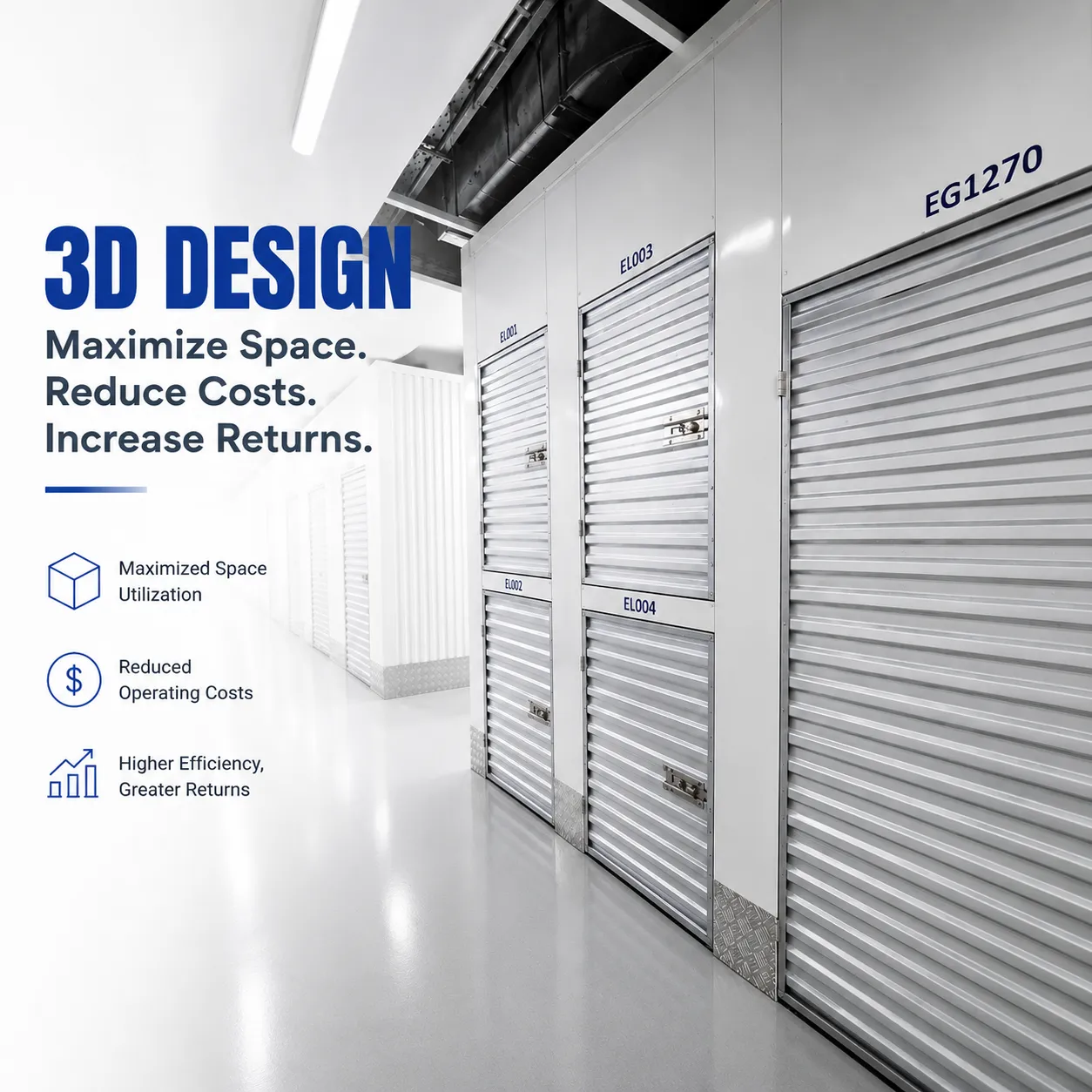
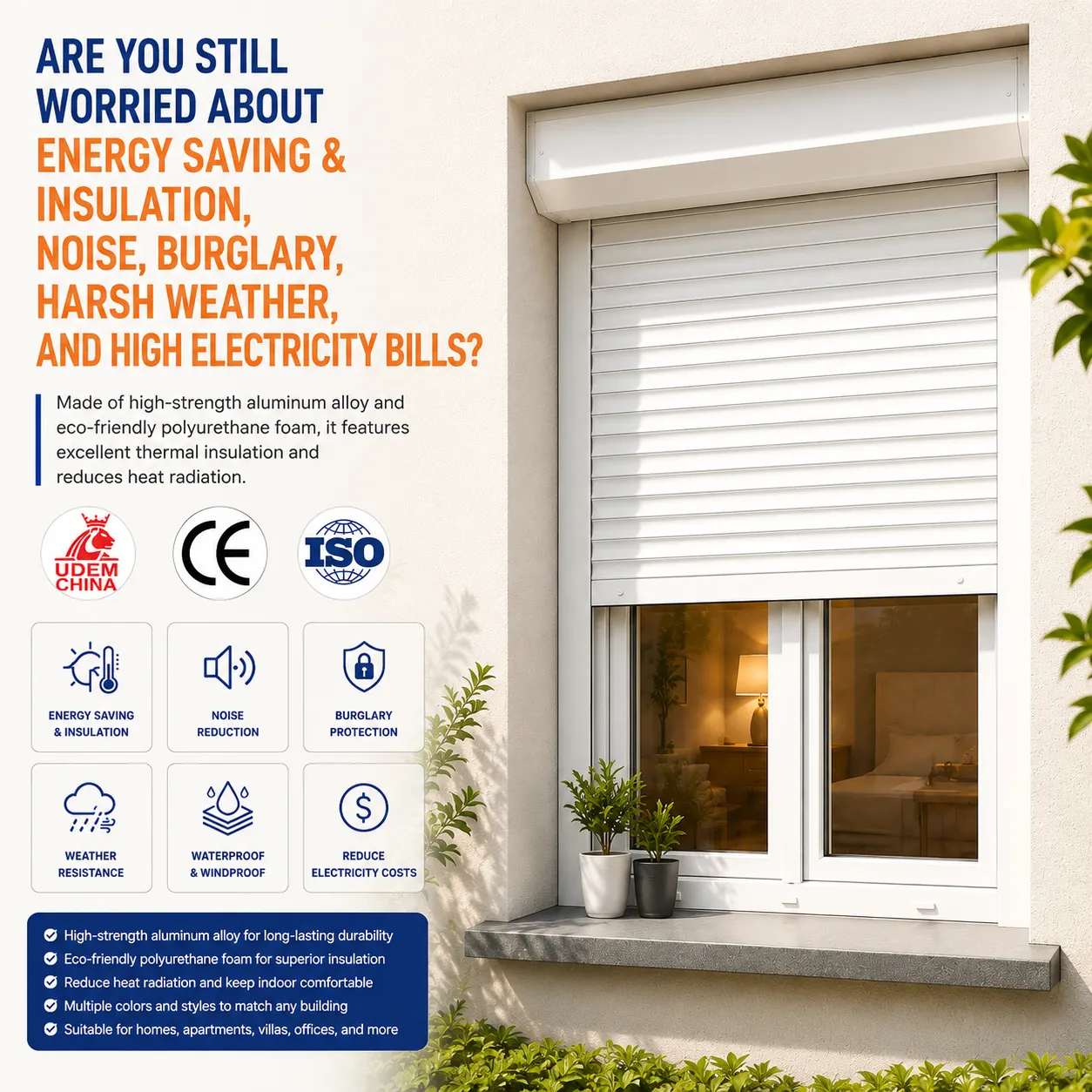
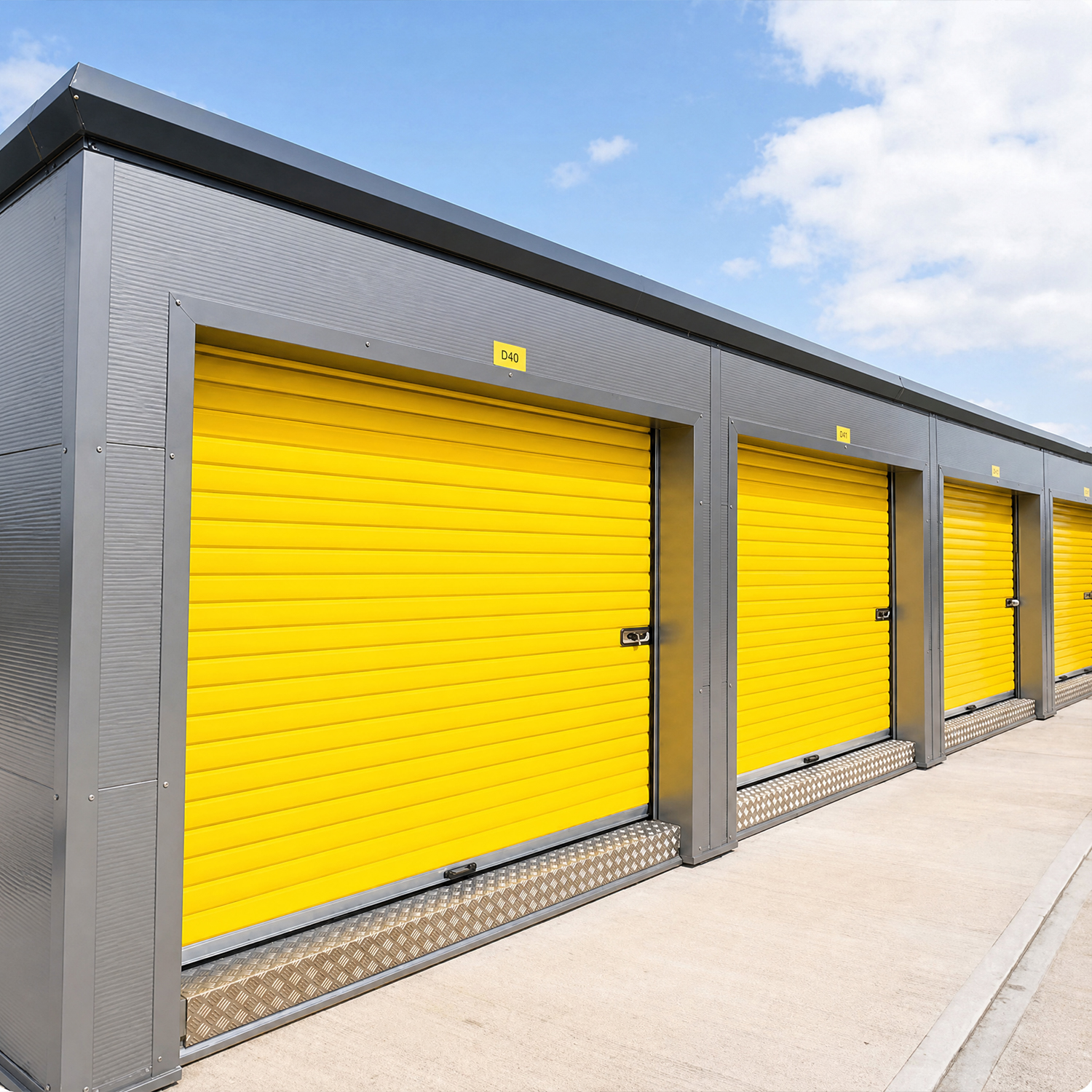
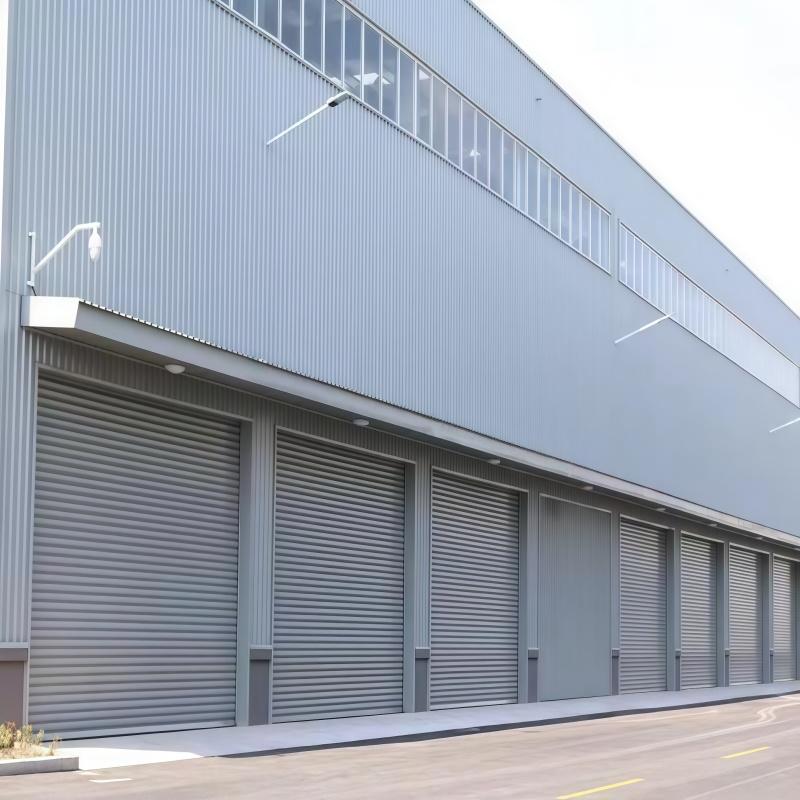
Aluminum roll up doors have become an increasingly important product category in modern building design and facility management, especially as international customers seek door systems that balance performance, appearance, and lifecycle cost. Understanding the technical and practical aspects of aluminum roll up doors helps buyers, architects, contractors, and self storage operators make better decisions and avoid costly mistakes. One of the first considerations is material selection. Aluminum alloys used in roll up doors are chosen for their strength, formability, and corrosion resistance. The slats are typically formed through precision roll-forming processes that create interlocking profiles. These profiles allow the door to roll tightly around a drum while maintaining structural integrity when closed. The interlocking design also contributes to security and weather resistance, reducing gaps that could allow dust, water, or unauthorized access. Compared with steel, aluminum is lighter, which reduces the required motor size and structural support. However, aluminum is also softer than steel, so high-security applications may require reinforced slats, additional locking mechanisms, or hybrid designs. Buyers should assess the security level required for their specific location and use case. For retail storefronts, visibility and aesthetics may be prioritized, with perforated or glazed slats providing light and display opportunities while maintaining security after hours. For warehouses and industrial facilities, durability and cycle life are often more important, requiring robust hardware, high-quality springs, and reliable motors. For self storage facilities, aluminum roll up doors are popular because they are easy to operate, resistant to rust, and available in uniform sizes and colors that create a clean, professional appearance across many units. Operation type is another critical decision. Manual aluminum roll up doors are suitable for smaller openings and lower-frequency use. They rely on a balanced spring system to allow one person to open and close the door safely. Electric aluminum roll up doors use a motorized operator and can be controlled by wall switches, remote controls, or integrated access systems. Safety features such as obstacle detection, emergency manual release, and safe-stop mechanisms are important for commercial and industrial installations. Installation conditions also affect performance. Proper mounting, level tracks, secure brackets, and correct spring tension are essential for smooth operation. In coastal or humid environments, aluminum roll up doors have a clear advantage because they resist rust better than untreated steel. Powder coating or anodizing can further improve durability and appearance. Maintenance requirements are generally low, but regular inspection of springs, rollers, tracks, and fasteners helps prevent unexpected downtime. Lubrication of moving parts and cleaning of slats keep the door operating quietly and smoothly. From a commercial perspective, aluminum roll up doors can enhance curb appeal, improve customer experience, and support energy efficiency when paired with proper seals and insulation options. From an operational perspective, they help businesses secure assets, control access, and maintain smooth logistics. For international buyers, working with an experienced manufacturer ensures that aluminum roll up doors meet project specifications, comply with relevant standards, and arrive ready for efficient installation. Qingdao Voltor Door Industry Technology Manufacturing Co., Ltd. integrates design, manufacturing, quality control, and global sales, providing customers with reliable aluminum roll up doors and supporting long-term operational success.

 EN
EN